



































.png?width=444&height=266&name=Student-support%20(1).png)




.png?width=318&height=279&name=Evanston(tile).png)



.png?width=318&height=279&name=Teams%20Edweb%20(6).png)

%20(3).png?width=318&height=279&name=Mitch-CEO(preview)%20(3).png)



%20(1).png?width=1436&height=956&name=Mineola%20School%20District%E2%80%99s%2010-Year%20MTSS%20Journey%20(Preview)%20(1).png)
Over the past decade, the Mineola Union Free School District in New York has built a stronger and more connected system of support for students. What began as a need for better alignment across schools has grown into a district-wide approach that helps educators respond earlier, work more consistently, and make better decisions for learners.
How Mineola Built a Unified MTSS System
 Like many districts, the staff at Mineola was doing great work. But early on, that work often looked different from one building to the next. Students moving between schools could experience different interventions, goals, and communication with families. District leaders saw the need for common practices across all five buildings, from pre-K through high school.
So the team started by focusing on the system. Leaders defined how decisions should be made, what growth should look like, and how student needs should be discussed across the district. From there, they built a shared MTSS structure that gave everyone a common language and process.
Building this foundation moved MTSS from living in isolated silos to something the district could own together.
.png?width=1280&height=720&name=_Schoolin%20Around%20Podcast%20(Mineola).png)
1. Shifting From Reactive to Proactive
One of the clearest signs of Mineola’s growth was the shift from reacting to student struggle to planning earlier, with stronger tier-one support and earlier intervention.
In the early years, much of the work centered on students who were already falling behind. Over time, teams began asking bigger questions:
- Is core instruction meeting student needs?
- Can we identify concerns earlier?
- How can specialists share their expertise before students need intensive support?
Mineola created a living MTSS framework that defined key practices, decision rules, and expectations. Rather than making case-by-case decisions in isolation, teams had a shared reference point. That clarity helped the district stay focused while still leaving room for professional judgment when needed.
2. Intentional Work
A decade of progress does not happen by accident. Mineola sustained this work through regular cross-district collaboration and a willingness to keep learning.
District representatives from each building meet throughout the year to review challenges, align practices, and revisit priorities. Those meetings serve many purposes. Sometimes teams study student cases. Sometimes they review research. Sometimes they refine how they communicate with families or revisit parts of the MTSS framework.
That steady collaboration has helped Mineola stay aligned while respecting the unique character of each school. It has also created space for staff to learn from one another. In a district where students often remain for many years, that shared knowledge matters. Historical context, previous supports, and past decisions all help educators make stronger choices for students today.
3. Building Stronger Data Fluency
Over time, MTSS conversations expanded beyond small leadership teams. Classroom teachers and interventionists became more confident in using data to understand student progress, ask better questions, and advocate for the right support. Mineola also strengthened progress monitoring by becoming more consistent in the assessments and measures used across schools. That consistency made it easier for teams to tell a clear story about student growth. Instead of comparing disconnected data points, educators could use shared measures to understand what was working, where students were improving, and what needed to change next.

How MTSS Expanded to Support the Whole Child
As Mineola’s system matured, so did its scope.
The district expanded its MTSS work beyond academics to include behavior, applying the same thoughtful structure to social-emotional and behavioral support. Teams considered tier-one practices, screening approaches, goal setting, and progress monitoring in ways that mirrored their academic systems.
Mineola also deepened its support for multilingual learners. By using language development data more intentionally, the district strengthened how it set goals and tracked growth for these students. This reflects an important part of Mineola’s evolution: MTSS is not static. It grows as the district learns more about what students need.
A Strong Partnership, in Service of a Stronger System
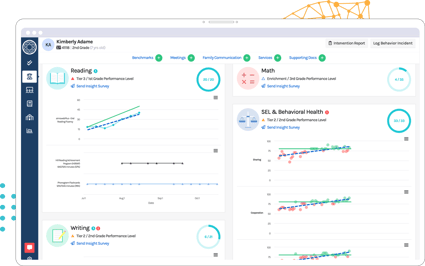
While Mineola’s story is foremost about district commitment, their partnership with Branching Minds played an important role. The Branching Minds platform brings student data into one place, making it easier for educators to see patterns over time, review historical context, and create more consistent practices across buildings.
That visibility supported better conversations and stronger continuity for students as they moved through the district. Most importantly, it gave Mineola a shared space to support the thoughtful, long-term work they were committed to doing.
Mineola's MTSS journey is set apart by their aim to continually improve upon their work year after year, always striving for better practice and support for their students. We can’t wait to see where they are in 2036!
.png?width=1280&height=720&name=Data%20Clarity%20and%20Teacher%20Momentum%20(Mineola).png)

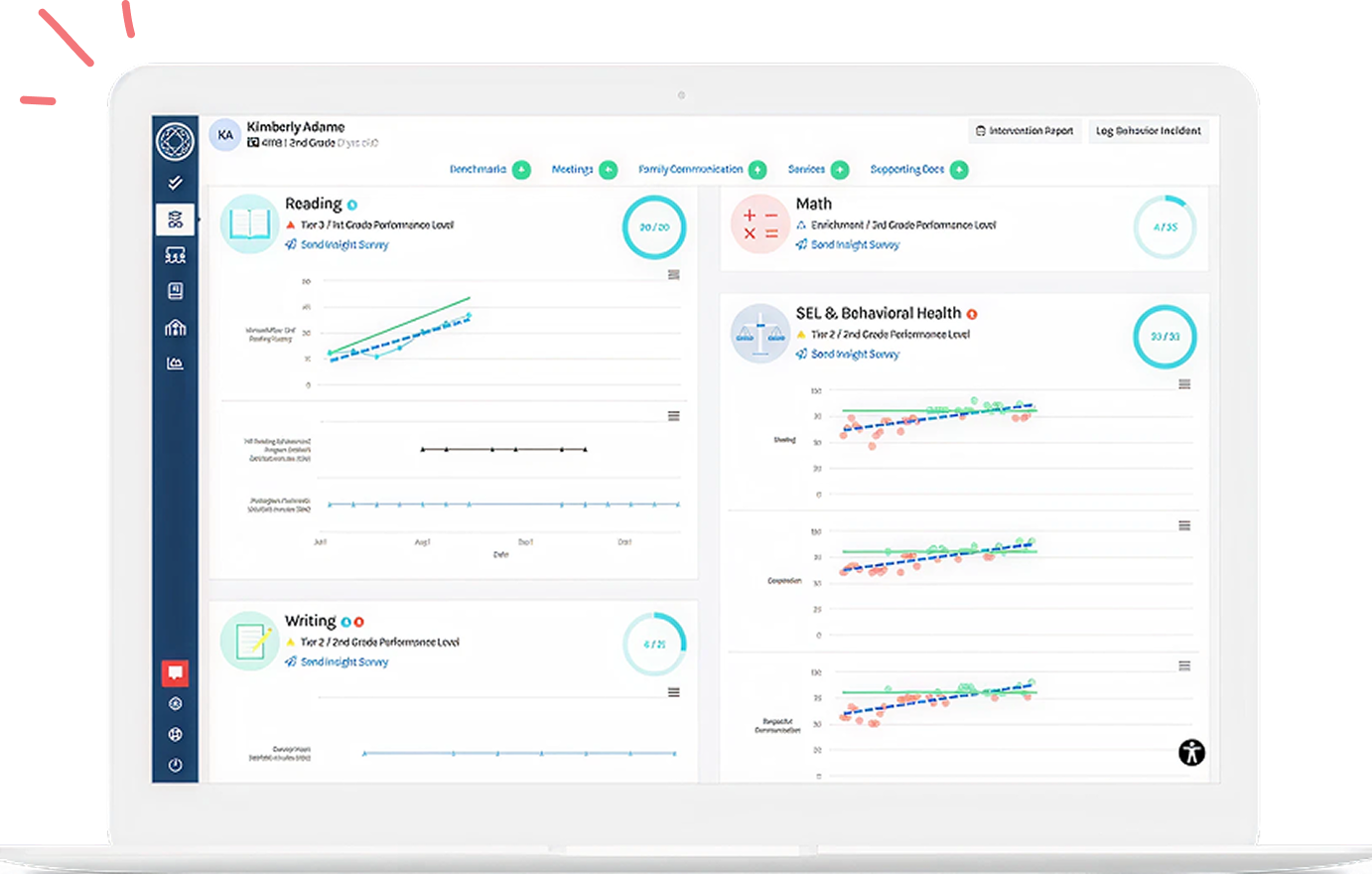
Strengthen MTSS Across Your District
See how the Branching Minds MTSS platform helps districts organize interventions, monitor student progress, and improve implementation across every school.

.png?width=716&height=522&name=6%20Ways%20MTSS%20Leaders%20Keep%20Buy-In%20From%20Fading%20After%20Year%20One%20(blog).png)
%20(2).png?width=716&height=522&name=Driving%20MTSS%20Momentum%20in%20Attendance%20and%20Data%20Culture%20(Preview)%20(2).png)
%20(1).png?width=716&height=522&name=Book%20Giveaway%20Win%20a%20Bundle%20for%20your%20MTSS%20Team%20(blog)%20(1).png)