



































.png?width=444&height=266&name=Student-support%20(1).png)




.png?width=318&height=279&name=Evanston(tile).png)



.png?width=318&height=279&name=Teams%20Edweb%20(6).png)

%20(3).png?width=318&height=279&name=Mitch-CEO(preview)%20(3).png)



.png?width=1436&height=956&name=Elementary%20Math%20Intervention%20(blog).png)
A guest post from the math experts at BlueStreak Math.
We’re at a critical moment for interventions in mathematics
There’s no question about it: we’re at a tipping point for mathematics in the U.S.
Across the U.S., more and more students are reaching middle and high school without the foundational math skills they need to access grade-level learning confidently. Recent NAEP results showed that eighth-grade math achievement still hasn’t recovered from pandemic-era declines, with lower-performing students continuing to fall further behind. High school math scores have also continued to decline, and more seniors than ever before are now performing below the basic level in mathematics.
When foundational skills go unmastered, learning gaps rarely stay isolated; they compound over time, making higher-level mathematics even more difficult to access.
In response, states are introducing new legislation and stronger expectations around intervention, screening, and evidence-based instruction—from Indiana’s HB1634 to Georgia’s Math Matters Act and beyond. In addition to intervention, many also reflect a growing national focus on foundational math skills, numeracy, and procedural fluency as critical building blocks for success in mathematics.
All of this combined has put districts across the country under increasing pressure to identify learning gaps earlier, provide targeted support within MTSS frameworks, and accelerate students toward grade-level proficiency… all without overwhelming already time-strapped educators.
To help you begin to make some headway toward these goals, we’re sharing intervention best practices plus 4 more advanced, research-based strategies to strengthen math intervention in your school or district.
Before You Get Started: Identifying Students for Intervention
The following strategies can strengthen your math interventions, but none of them matter if students who need support are slipping through the cracks… or if intervention groups are too broad to address the actual root issue.
Here are a few tips to consider:
- Pinpoint specific skill gaps and misconceptions: “Struggling in math” is too broad to drive effective intervention. Identify the exact concepts, procedures, or strategies where breakdowns are occurring.
- Look beyond grade-level standards: In many classrooms, students who appear to be struggling with grade-level concepts are actually missing foundational skills from earlier grades that have compounded or still lay below the surface.
- Regroup students regularly: Intervention groups should evolve as students grow. Frequent regrouping helps ensure support remains targeted and responsive to current needs. More on this below!
- Keep systems manageable for educators: The most in-depth, comprehensive intervention systems in the world will fail to translate to improved student outcomes if they can’t be consistently implemented in the classroom. Use processes and tools that help educators quickly surface gaps and act on data while minimizing time spent on analysis and lesson planning.
Best Practices for Math Interventions
Before implementing more advanced intervention strategies, make sure you have a strong instructional foundation on which to build. The following best practices help create intervention environments that are structured, accessible, responsive to student needs, and capable of supporting long-term mathematical growth.
- Gradual Release of Responsibility (GRR): Students often need explicit modeling and guided support before they can confidently apply skills independently. Often referred to as “I do, we do, you do”, a GRR approach helps scaffold learning, reduce frustration, and identify and correct misconceptions.
- Using manipulatives and visual models: Visual representations and hands-on tools help students connect mathematical procedures to conceptual understanding, especially in areas like fractions, place value, multiplication, and proportional reasoning. They can also create more accessible entry points for multilingual learners and students receiving special education services.
- Build progress monitoring into your routine: Effective intervention depends on consistent, actionable data. Regular check-ins help educators identify stalled growth, regroup students more effectively, and adjust intervention strategies before learning gaps widen further.
4 Research-Based Strategies for More Impactful Math Interventions
1. Go beyond small group instruction with flexible grouping
What it is: Flexible grouping is an instructional approach where students are grouped and regrouped based on their current learning needs, skill gaps, progress, or instructional goals rather than staying in fixed groups for long periods of time. It may use a mix of small-group, large-group, and individual work to meet student needs.
Why it helps: Flexible grouping allows schools to respond more dynamically to student needs while making intervention more targeted and efficient. Within MTSS frameworks, flexible grouping can also help educators deliver more personalized support without dramatically increasing staffing demands. Groups can shift based on assessment data, classroom performance, observed misconceptions, or specific intervention goals.
Example: Review student work and progress monitoring data. You may notice, for example, that one group of students consistently struggles with regrouping during subtraction, while another has difficulty identifying equivalent fractions. Use that information to create short-term groups focused on those specific skill gaps and deliver targeted mini lessons and scaffolded practice aligned to each group’s needs.
2. Apply a deliberate practice model
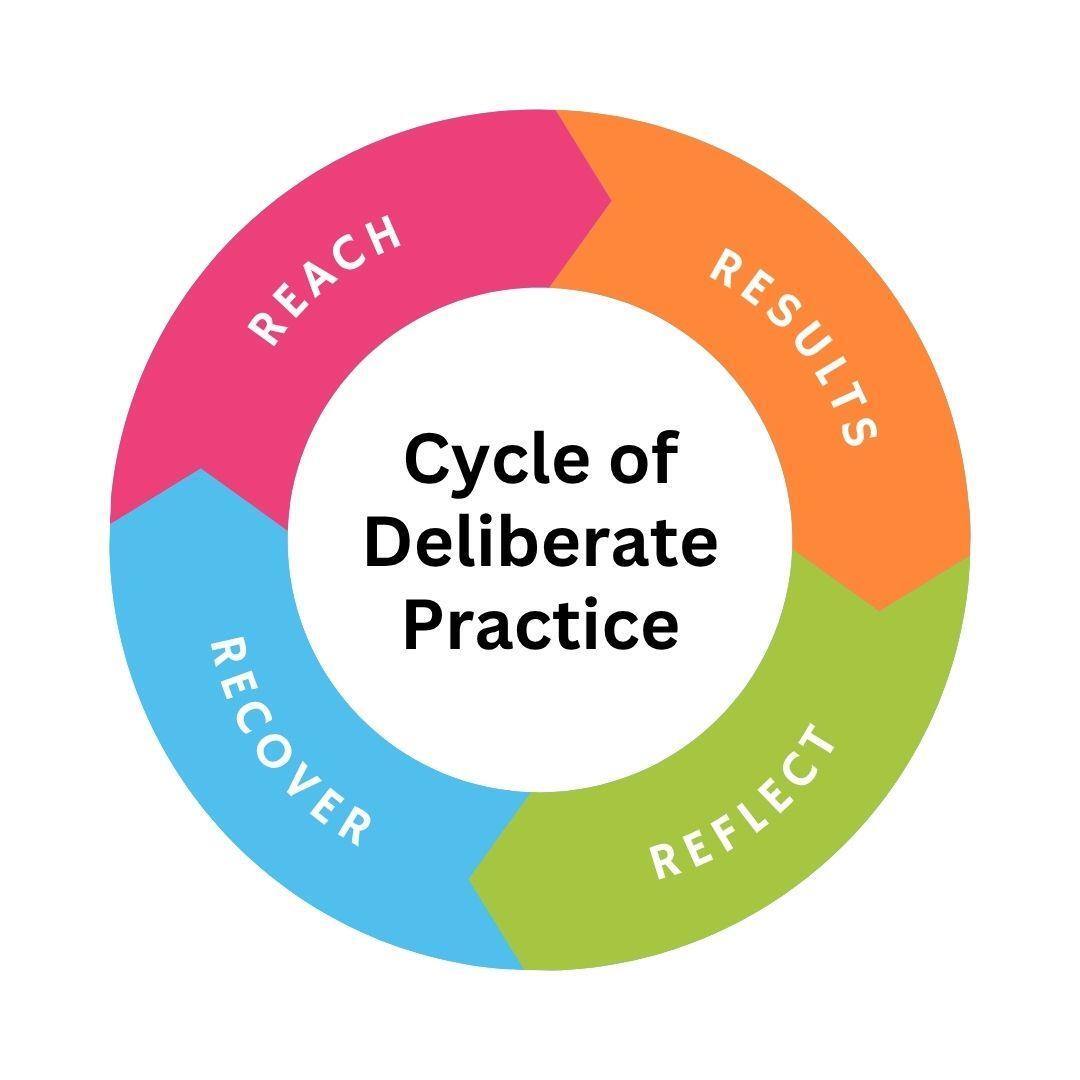
What it is: Deliberate practice combines a few instructional best practices (e.g., challenging practice, goal setting) under one umbrella to result in a more scalable, repeatable system that makes a bigger impact on student learning. It is a structured approach to skill-building where students engage in focused, repeated practice on specific skills. It can be described with the “4 Rs”:
- Reach: Just-right challenging practice (differentiation is key here)
- Results: Immediate feedback
- Reflect: Opportunities to think about practice and results to learn from mistakes (and successes!) and set goals for next time
- Recover: Regular periods of rest to maintain momentum and motivation
Why it helps: In math interventions, struggling students often need substantially more opportunities to practice a skill before it becomes efficient and transferable. It’s also particularly important that this practice is structured in a way that provides clear opportunities to correct misconceptions and minimize burnout and math anxiety.
This approach also works particularly well within short intervention blocks because it prioritizes consistency and intentionality over lengthy instructional periods.
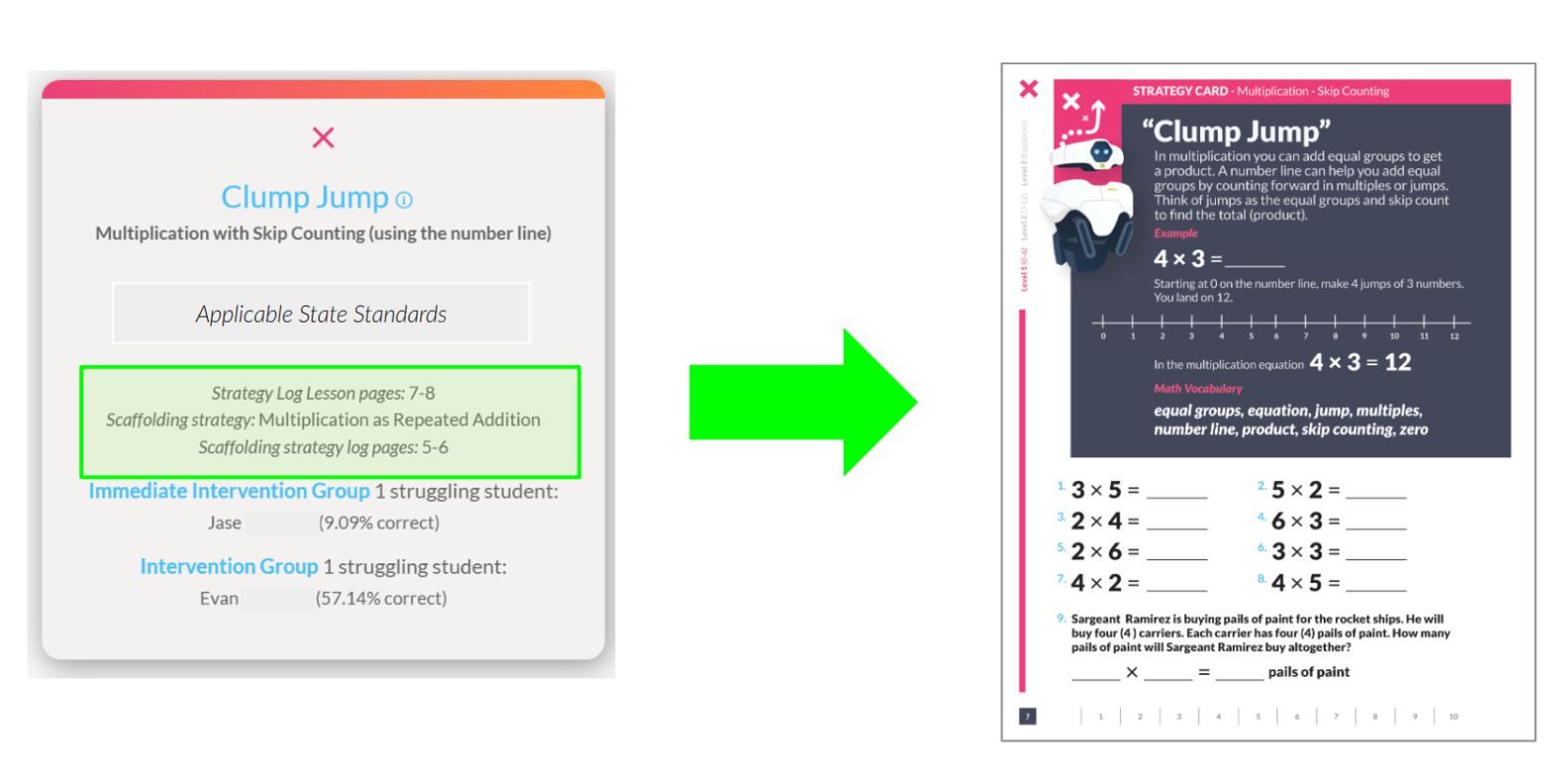
In practice: Programs like BlueStreak Math make deliberate practice easy with differentiated learning games, immediate feedback on these practice problems, integrated workbooks featuring “Reflect and Learn” prompts, and built-in periods of recovery.
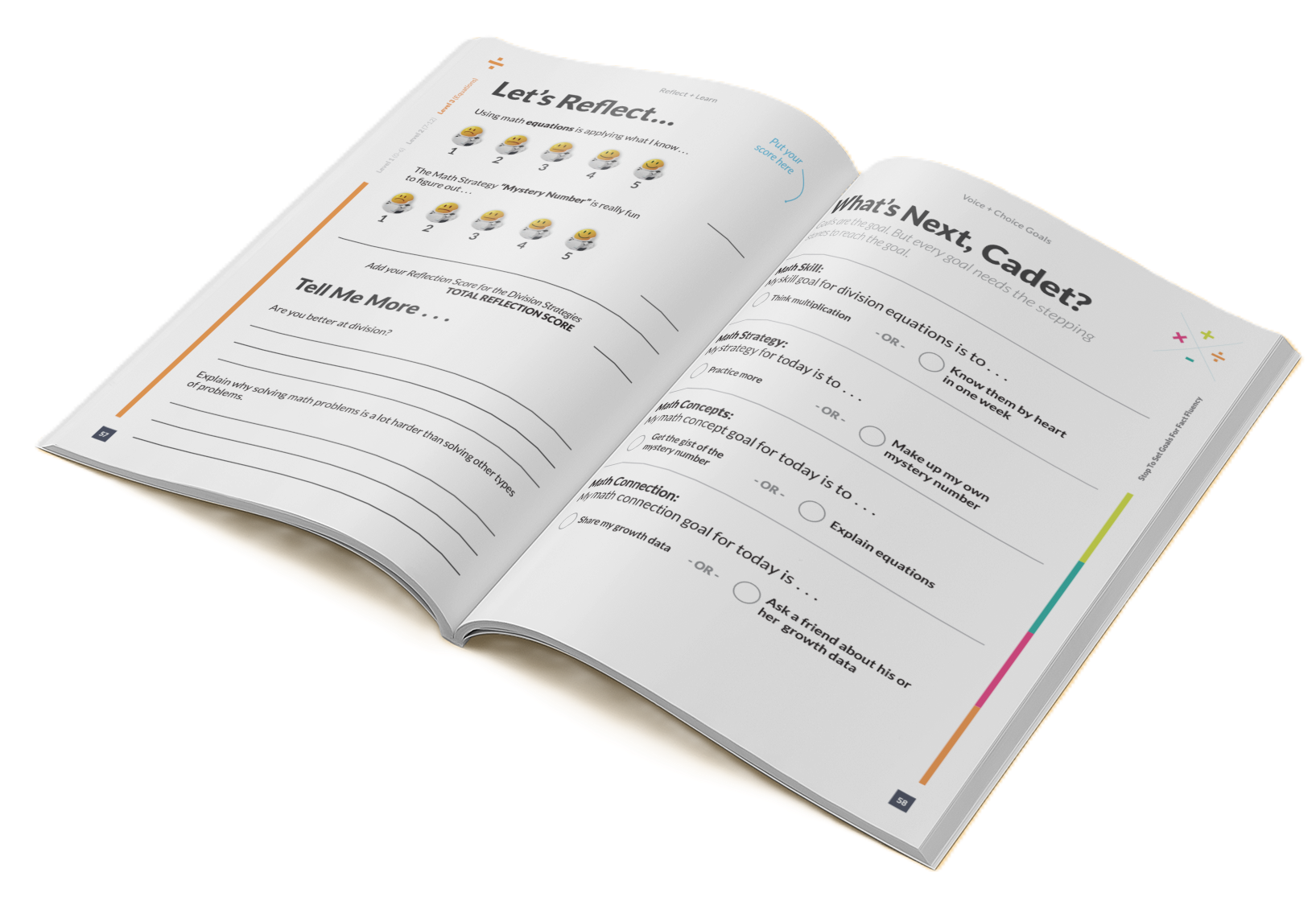
Looking to DIY a deliberate practice model? Prioritize immediate feedback on pencil-to-paper practice and provide opportunities for students to discuss in small groups.
3. Gamify intervention to increase engagement and confidence
What it is: Gamification is any method of applying “game elements” to the learning process, from actual learning games to contests, leaderboards, and points.
Why it helps: Many students receiving intervention already associate math with frustration, anxiety, or repeated failure. Learning games and other game-based learning strategies like those shared above make intervention feel more fun and less punitive or monotonous. It can help lower that emotional barrier while increasing engagement, persistence, and practice time.
Example: Create a school- or grade-wide contest where students earn points for things like minutes practiced, equations mastered, or other growth metrics. Track these points publicly and ramp up excitement and participation with morning announcements, bulletin boards, and more. Read how one Illinois elementary school did it to increase year-end learning and engagement.

4. Strengthen automaticity to reduce cognitive overload
Why it helps: One of the most overlooked barriers in math is cognitive overload. When students must devote significant mental energy to basic computation, they have fewer cognitive resources available for bigger picture or more advanced problem solving and reasoning.
Automaticity–the ability to recall basic math facts quickly and accurately–helps students work more efficiently and confidently. This becomes especially visible in upper elementary and middle school, when students begin tackling more abstract concepts and multi-step tasks.
In practice: Don’t assume students can quickly and accurately recall their math facts as you move on to more advanced strategies and concepts. Even if they once had this ability, it’s important to consistently maintain and strengthen it. Build short periods of fact fluency practice into your students’ daily interventions as a warm-up to prepare them for more cognitively demanding mathematical thinking later in the lesson. Learn more about BlueStreak Math here.
Related Resource: Math Intervention Strategies for MTSS
About BlueStreak Math

BlueStreak Math is a comprehensive math fluency solution that leverages an adaptive digital solution, automatic intervention groupings, and scripted lessons for a low lift, high impact approach to math intervention. Its "fluency 2.0" approach extends beyond whole numbers to fractions and decimals, making it a popular choice for both elementary and middle school interventions.
Built on a research-based foundation of deliberate practice, BlueStreak aims to develop numeracy skills and increase student accuracy, efficiency, and flexibility while minimizing math anxiety. Research shows that students who complete at least one level with BlueStreak Math experience 2-3x the high-stakes assessment score growth of those who don't.

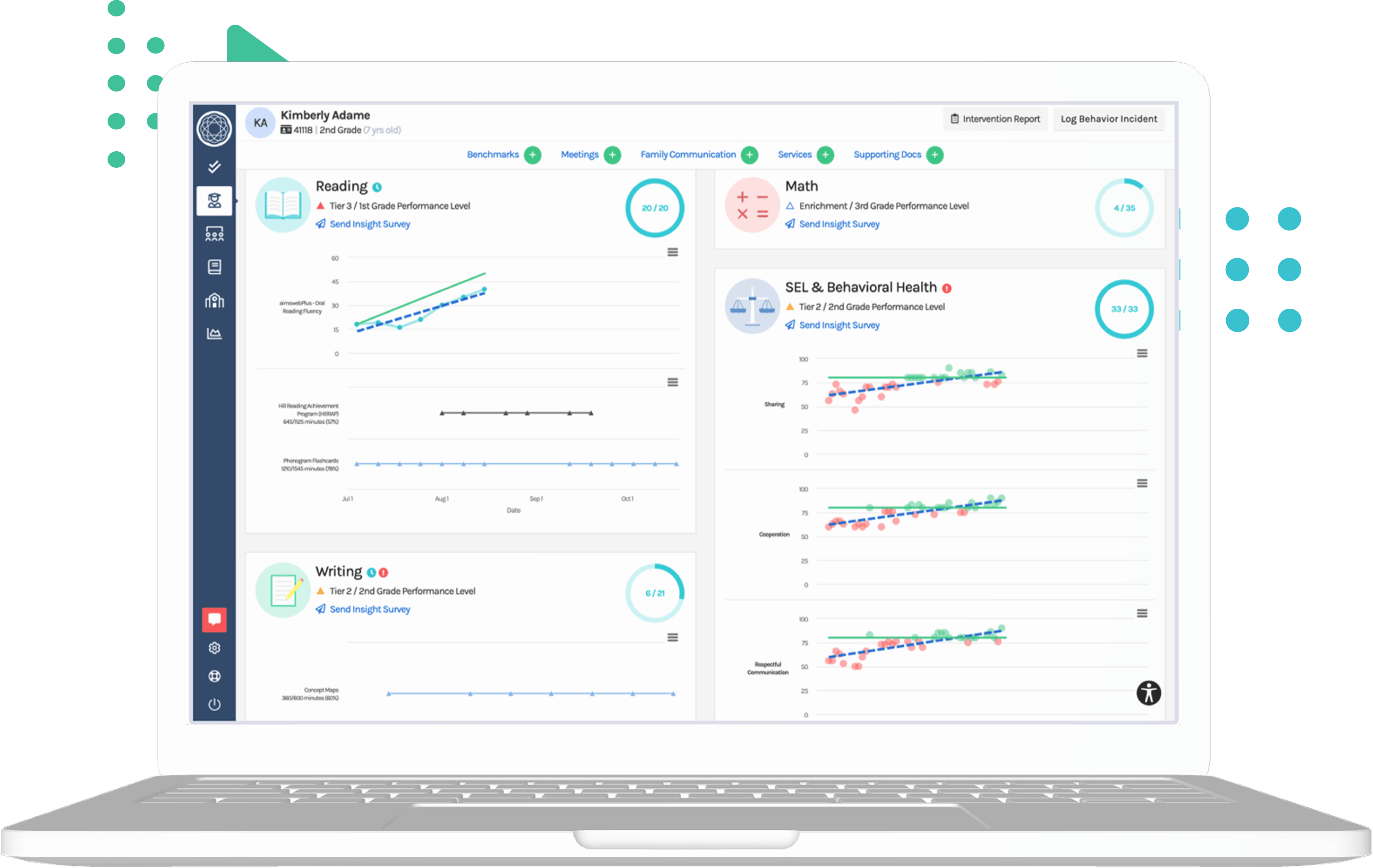
Your MTSS Partner for Math Success
Strengthen math support with targeted interventions, collaborative tools, and clear MTSS reporting.

%20(1).png?width=716&height=522&name=Why%20Students%20Fall%20Behind%20in%20Math%20(icon)%20(1).png)
%20(1).png?width=716&height=522&name=Mineola%20School%20District%E2%80%99s%2010-Year%20MTSS%20Journey%20(Preview)%20(1).png)
%20(2).png?width=716&height=522&name=Driving%20MTSS%20Momentum%20in%20Attendance%20and%20Data%20Culture%20(Preview)%20(2).png)