


































.png?width=444&height=266&name=Student-support%20(1).png)




.png?width=318&height=279&name=Evanston(tile).png)



.png?width=318&height=279&name=Teams%20Edweb%20(6).png)




![[Guest Author] LaTisha Cole-avatar](https://www.branchingminds.com/hs-fs/hubfs/MTSS%20Summit/Summit%202022/Summit%2022%20presenter%20headshots%20200x200/LaTisha%20Cole.png?width=48&height=48&name=LaTisha%20Cole.png)
.png?width=1436&height=956&name=Red%20Flags%20That%20Reveal%20a%20Disconnect%20Between%20MTSS%20and%20Special%20Education%20(blog).png)
MTSS and Special Education are most effective when they work together. A strong MTSS framework helps schools identify student needs early, make more informed referral decisions, and ensure students receive the right support before, during, and after Special Education eligibility is considered.
When these systems operate independently, students can fall through the cracks.
These 10 red flags can help you identify where a wall may be forming between the two—and where your system may need attention.
🚩 1. The Passed Responsibility
Once a student qualifies for an IEP, general education stops planning supports and treats the student as Special Education's sole responsibility. This handoff breaks the collaboration that helps students thrive.
>> Look for shared ownership in your data and meeting records.
🚩 2. The Check-the-Box Race
Teams rush through Tier 1, Tier 2, and Tier 3 to build a paper trail for referral rather than looking for evidence of growth. When compliance drives the work, students lose.
>> Prioritize meaningful progress over documentation for its own sake.
🚩 3. The Winter-Spring Referral Spike
A surge of evaluations between February and April is worth a closer look. Students don't suddenly develop disabilities in the spring; more often, teams waited too long to intervene.
>> Track your referral timing over the course of the year to catch this pattern.
🚩 4. Placement Before Instruction
When the first conversation is about placement rather than instruction, intervention, or support, something is off. The environment is not an intervention.
>> Keep your teams focused on what students are being taught and how.
🚩 5. Language Acquisition Confused With Disability
Multilingual learners are sometimes referred for language processing disorders before they've had adequate time to develop English proficiency. This confusion leads to over-identification.
>> Ensure teams distinguish between a disability and the normal path of language development.
🚩 6. The Wait-to-Fail Strategy
Universal screening data sits unused until a student struggles enough to justify a referral. Waiting to fail robs students of early, effective support.
>> Use your screening data proactively to intervene before gaps widen.
-
Related Resource: Explore our MTSS FAQs for answers to common questions about tiers, interventions, screening, and progress monitoring.
🚩 7. Referrals Without Evidence
Referral packets full of concerns but light on intervention history, progress-monitoring data, or fidelity documentation are a warning sign. We can't label students we haven't taught.
>> Set clear expectations for the evidence a referral must include.
.png?width=500&height=500&name=Cracking%20the%20Code%20Bridging%20MTSS%20and%20Special%20Education%20for%20Student%20Success%20(1).png)
🚩 8. The 80% Rule Being Ignored
If fewer than 80% of students succeed with Tier 1 instruction yet referrals keep climbing, look at your core instruction first. Referrals will continue to rise regardless of how strong your intervention system is.
>> Strengthen Tier 1 before adding more interventions.
🚩 9. Funding Misalignment
Some districts invest heavily in evaluations and referrals while underfunding Tier 1 instruction, professional learning, and early intervention. This spending pattern works against student outcomes.
>> Align your budget for prevention and early intervention, not just identification.
-
Related Resource: How Can My District Find MTSS Funding?
🚩 10. The Disproportionality Crisis
When certain student groups are referred and identified for Special Education at much higher rates than their peers, it's a signal to examine instruction, intervention access, and referral practices.
>> Use your data to surface patterns and create district-wide standard protocols.
Turning Red Flags Into Action
Spotting a red flag (or more than one!) is the first step toward strengthening the connection between MTSS and Special Education. Start by identifying one or two ways your team could address the challenge and build from there.
Learn More About MTSS and Special Education
Want to dive deeper? Our free guide explores how MTSS supports Special Education decision-making, what documentation matters most, how multidisciplinary teams work together, and what district leaders can do to strengthen alignment across their schools.
.png?width=1000&height=500&name=MTSS%20%26%20Special%20Education%20A%20Guide%20for%20District%20and%20School%20Leaders%20(preview).png)
Continue Exploring MTSS & Special Education
Looking for more guidance? Explore additional resources to help strengthen your district's MTSS and Special Education practices. Explore the resource center.
![[Guest Author] LaTisha Cole-avatar](https://www.branchingminds.com/hs-fs/hubfs/MTSS%20Summit/Summit%202022/Summit%2022%20presenter%20headshots%20200x200/LaTisha%20Cole.png?width=82&height=82&name=LaTisha%20Cole.png)
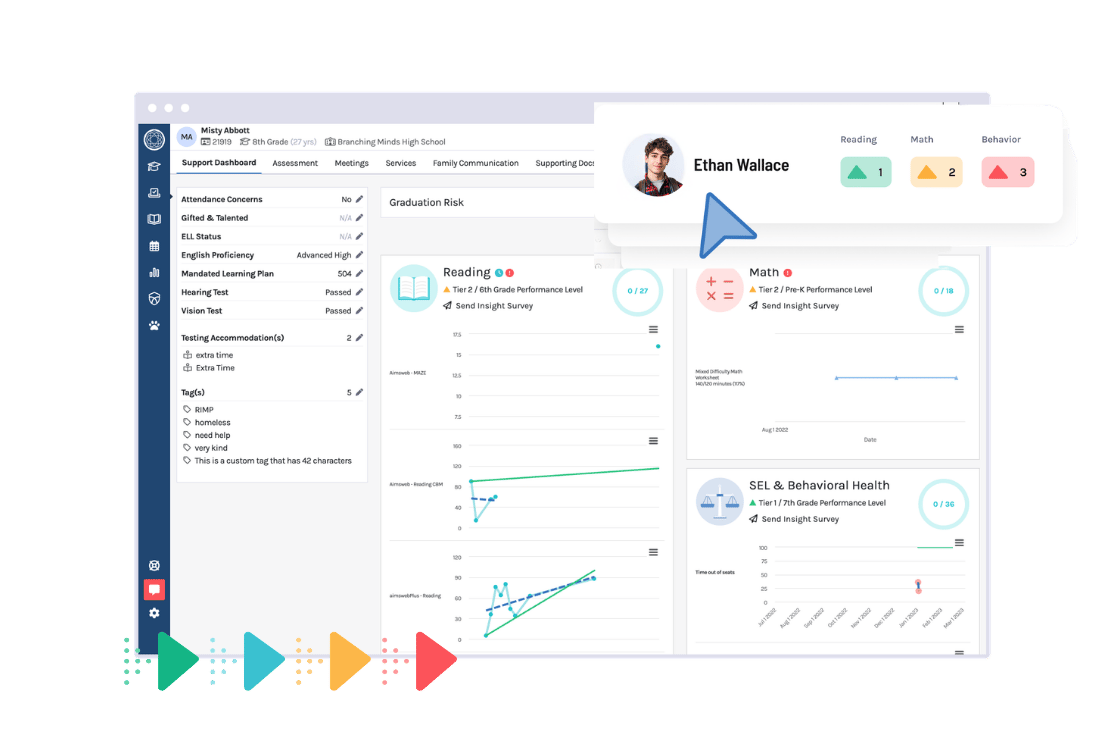
One Student. One Story. One Shared Workspace.
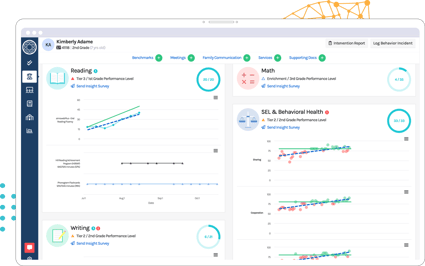
Many of these red flags happen when teams work from disconnected information. Branching Minds gives educators one shared workspace for more coordinated student support.

.png?width=716&height=522&name=HB%20605%20and%20School%20Safety%20NC%20(preview).png)
.png?width=716&height=522&name=Reading%20Interventions%20(Preview).png)