





























.png?width=444&height=266&name=Student-support%20(1).png)




.png?width=318&height=279&name=Evanston(tile).png)



.png?width=318&height=279&name=Teams%20Edweb%20(6).png)

%20(3).png?width=318&height=279&name=Mitch-CEO(preview)%20(3).png)




-1.png?width=1436&height=956&name=Washingtons%20RTI%20Requirement%20for%20SLD%20Eligibility(preview)-1.png)
Washington districts have a major shift ahead.
Beginning in the 2028-29 school year, the Washington Office of Superintendent of Public Instruction (OSPI) will require districts to use a Response to Intervention (RTI) process when determining special education eligibility for Specific Learning Disabilities (SLD), replacing the severe discrepancy model that many districts have relied on for years.
Washington's transition reflects a growing recognition that students should not have to struggle for years before receiving the support they need. Rather than waiting for a significant gap to emerge between achievement and cognitive ability, RTI-based SLD identification uses evidence gathered through intervention, progress monitoring, and student response data to help teams make more informed decisions. Under WAC 392-172A-03060, districts may use a student's response to scientific, research-based interventions as part of the eligibility determination process.
At first glance, this looks like a special education compliance change, but it is really more about a systems-level change that impacts just about every aspect of education - instruction, intervention, collaboration, staffing, professional learning, infrastructure and technology, parent communication, and more.
The districts that are best prepared for Washington's transition will not simply update evaluation procedures. They will strengthen their MTSS systems, intervention practices, and collaborative processes that help students succeed long before eligibility conversations begin.
What Is Changing for Washington Districts?
Washington currently permits districts to use either the severe discrepancy model or an RTI-based process when determining SLD eligibility. Beginning in 2028-29, districts will move exclusively to an RTI-based approach. OSPI has already begun preparing districts through guidance documents, professional learning opportunities, and partnerships with statewide organizations, including the AIMS Project at the University of Washington Bothell.
Under WAC 392-172A-03060, districts using RTI must gather evidence regarding a student's response to research-based interventions, including progress monitoring data and documentation of intervention implementation. Comprehensive evaluations remain part of the process, but eligibility decisions will increasingly rely on evidence gathered through intervention and student growth data.
This shift aligns closely with broader MTSS principles:
-
Early identification of student needs
-
Data-based decision-making
-
Prevention over remediation
-
Strong Tier 1 instruction
-
Consistent intervention practices
-
Collaboration across teams
Why District Leaders Should Pay Attention Now
Although the requirement does not take effect until 2028-29, successful implementation will take years, not months.
RTI-based SLD identification depends on systems that many districts are still working to strengthen. Districts need reliable intervention processes, consistent progress monitoring practices, shared decision-making protocols, and clear documentation procedures.
District leaders should begin asking questions such as:
-
Can every school consistently document interventions?
-
Are intervention decisions made using common processes across buildings?
-
Do teams have access to high-quality progress monitoring data?
-
Can we demonstrate intervention fidelity if asked?
-
How effectively are general education and special education teams collaborating?
-
Do district leaders have visibility into intervention implementation across schools?
Districts that wait until the final year before implementation may find themselves trying to build systems, train staff, establish intervention protocols, and improve documentation practices simultaneously.
Related Resource: The District Leader’s Guide to MTSS and Strategic Planning
What Gets in the Way of RTI Readiness?
Many districts already have strong intervention practices and resources in place, but intervention documentation may live in spreadsheets, paper files, and disconnected systems. Progress monitoring practices may vary by building. Teams may spend significant time gathering information rather than analyzing it.
Common challenges include:
-
Intervention records stored in multiple locations
-
Inconsistent progress monitoring practices across schools
-
Limited visibility into intervention implementation
-
Difficulty documenting fidelity over time
-
General education and special education teams working from different information
-
Limited district-level reporting on intervention effectiveness
When these challenges exist, it becomes difficult to make confident decisions about student support and eligibility.
What RTI Readiness Looks Like in Practice
Washington's transition to RTI-based SLD identification ultimately depends on the quality of the systems supporting students every day.
Universal Screening and Early Identification
One of the most significant shifts in an RTI-based framework is moving from reactive support to proactive support.
Rather than waiting until student struggles become severe enough to warrant formal evaluation discussions, schools need reliable ways to identify concerns early. Universal screening provides a consistent process for understanding which students may need additional support and which students are responding well to core instruction.
And, screening data must lead to action. Districts should examine how screening results are reviewed, how quickly students receive support after needs are identified, and whether teams are consistently using data to inform intervention decisions.
Questions worth asking include:
-
Do intervention teams have clear, consistent decision rules for tiering students for support?
-
How quickly are students connected to support after screening windows close?
-
Are there student groups or schools showing persistent patterns year after year?
Intervention Planning and Delivery
Once a need is identified, the next question becomes: What support will this student receive?
Strong RTI systems create structures for selecting interventions, assigning responsibilities, and ensuring support is delivered consistently.
Districts often have significant variation between schools in this area - one building may have clearly defined intervention routines, while another relies heavily on individual staff members to determine next steps. Over time, those differences can create inconsistent student experiences across a district.
District leaders should consider:
-
Are intervention resources and processes consistent across schools?
-
Do teams have access to evidence-based intervention options?
-
Are intervention responsibilities clearly defined?
-
Can educators easily understand what support a student is receiving and why?
Consistency does not mean every school operates identically. It means students can expect a predictable, data-informed process regardless of where they attend school. This is particularly important for students who often change schools.
Progress Monitoring
Intervention only matters if it leads to growth. Progress monitoring provides the evidence teams need to determine whether support is working and whether adjustments are necessary.
Schools often collect large amounts of data, yet still struggle to answer critical questions:
-
Is the student making sufficient progress?
-
Is growth accelerating?
-
Is the intervention producing meaningful results?
-
Should support be intensified, adjusted, or faded?
For district leaders, progress monitoring is also a systems-level issue.
Looking across schools can reveal patterns that individual teams may never see:
-
Which interventions consistently produce positive outcomes?
-
Which grade levels may need stronger Tier 1 support?
-
Are some schools experiencing stronger growth than others?
Progress monitoring should help districts understand both student growth and system effectiveness.
Fidelity of Implementation
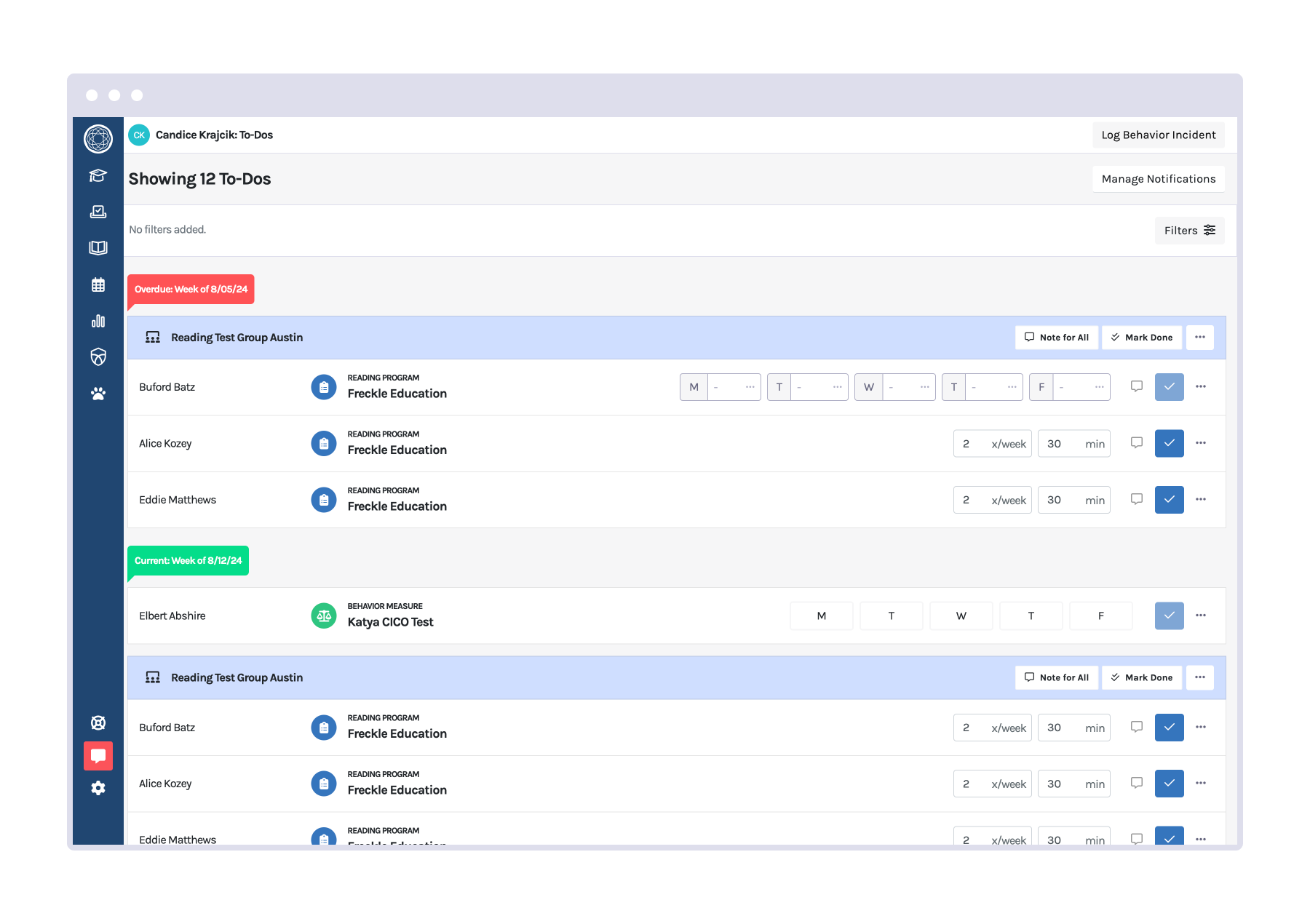
One of the most overlooked aspects of RTI readiness is implementation fidelity.
When a student is not responding to intervention, teams naturally want to understand why. Before drawing conclusions, however, it is important to know whether the intervention was delivered as intended.
Questions such as these become essential:
-
Was the intervention delivered consistently?
-
Did it occur with the planned frequency and duration?
-
Were instructional practices implemented as designed?
-
Were there scheduling or staffing barriers that affected delivery?
Without fidelity information, it becomes difficult to determine whether a student truly did not respond to intervention or whether implementation challenges influenced outcomes.
This is one reason Washington's transition requires more than additional documentation. It requires systems that make implementation visible and manageable for educators.
Collaboration Across Teams
RTI-based decision-making works best when general education and special education operate as partners rather than separate systems.
Historically, intervention efforts and eligibility discussions have sometimes happened in parallel. An RTI framework encourages a more collaborative approach where educators review student needs, intervention effectiveness, and next steps together.
District leaders should consider:
-
Do teams share a common understanding of intervention expectations?
-
Are conversations focused on student needs rather than departmental responsibilities?
-
Can educators easily access the information they need?
-
Do teams feel confident interpreting progress data together?
When collaboration improves, decision-making becomes more consistent and students experience a more coordinated system of support.
District-Level Visibility and Continuous Improvement
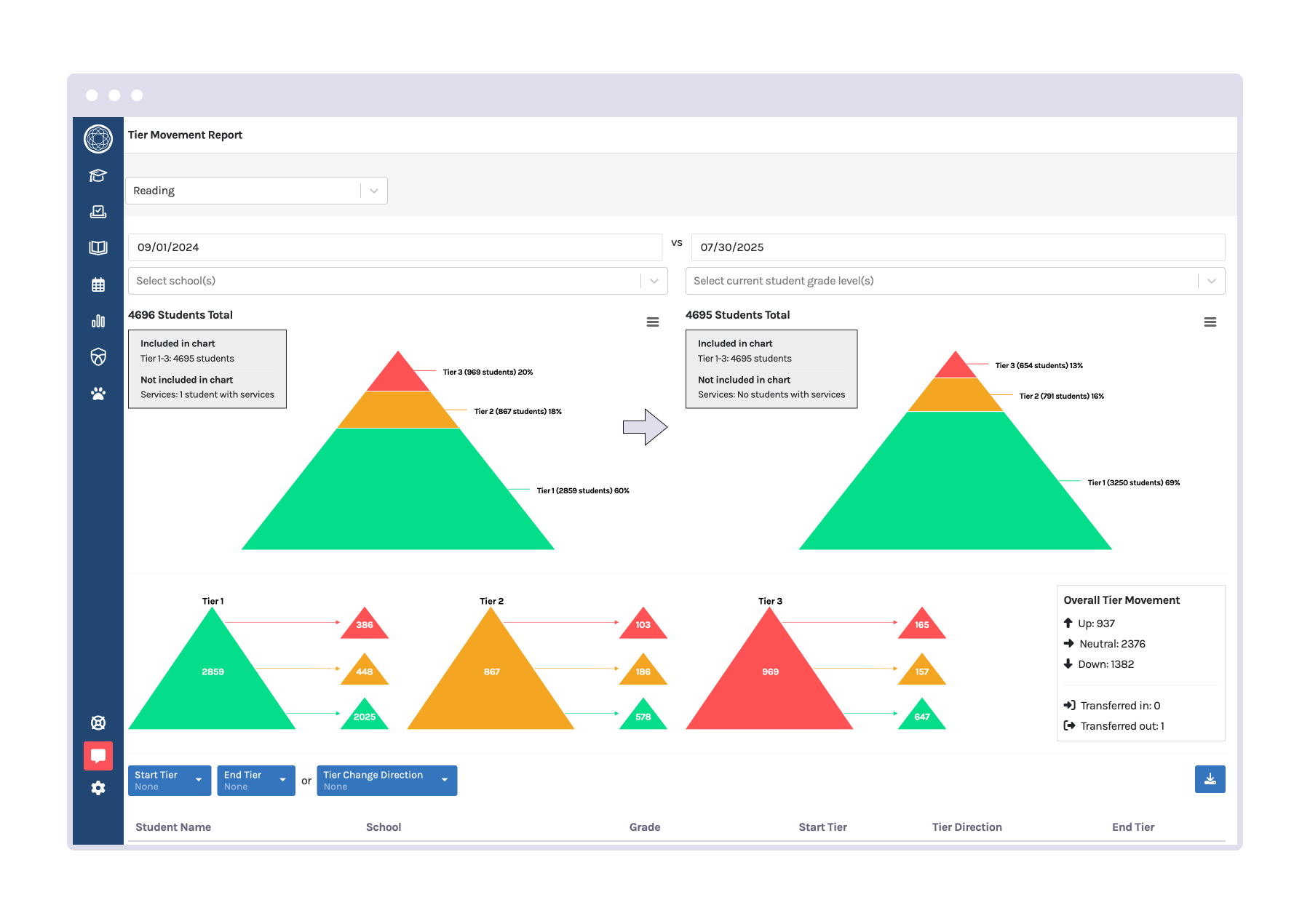
As Washington moves toward RTI-based SLD identification, district leaders will need visibility into implementation across schools.
That includes understanding:
-
Where interventions are being delivered consistently
-
Which schools may need additional support
-
Whether fidelity expectations are being met
-
How student outcomes vary across buildings
-
Whether disproportionality concerns are emerging
-
Which practices are producing the strongest results
The most successful districts will treat RTI readiness as an ongoing improvement effort rather than a one-time compliance project.
Building RTI Readiness Starts Today
Washington's transition to RTI-based SLD identification represents an important shift in how districts identify and support students with learning needs.
The districts that begin preparing now will be best positioned to make the transition smoothly. More importantly, they will be building systems that identify needs earlier, strengthen collaboration, improve consistency across schools, and create better outcomes for students.
In the end, Washington's RTI transition is not really about eligibility, but about making sure that every student gets the right support at the right time, and that every educator has the information needed to make that possible.
Washington's RTI transition starts long before 2028.
See how districts are building the systems they need to support students, improve outcomes, and meet future requirements in Washington.

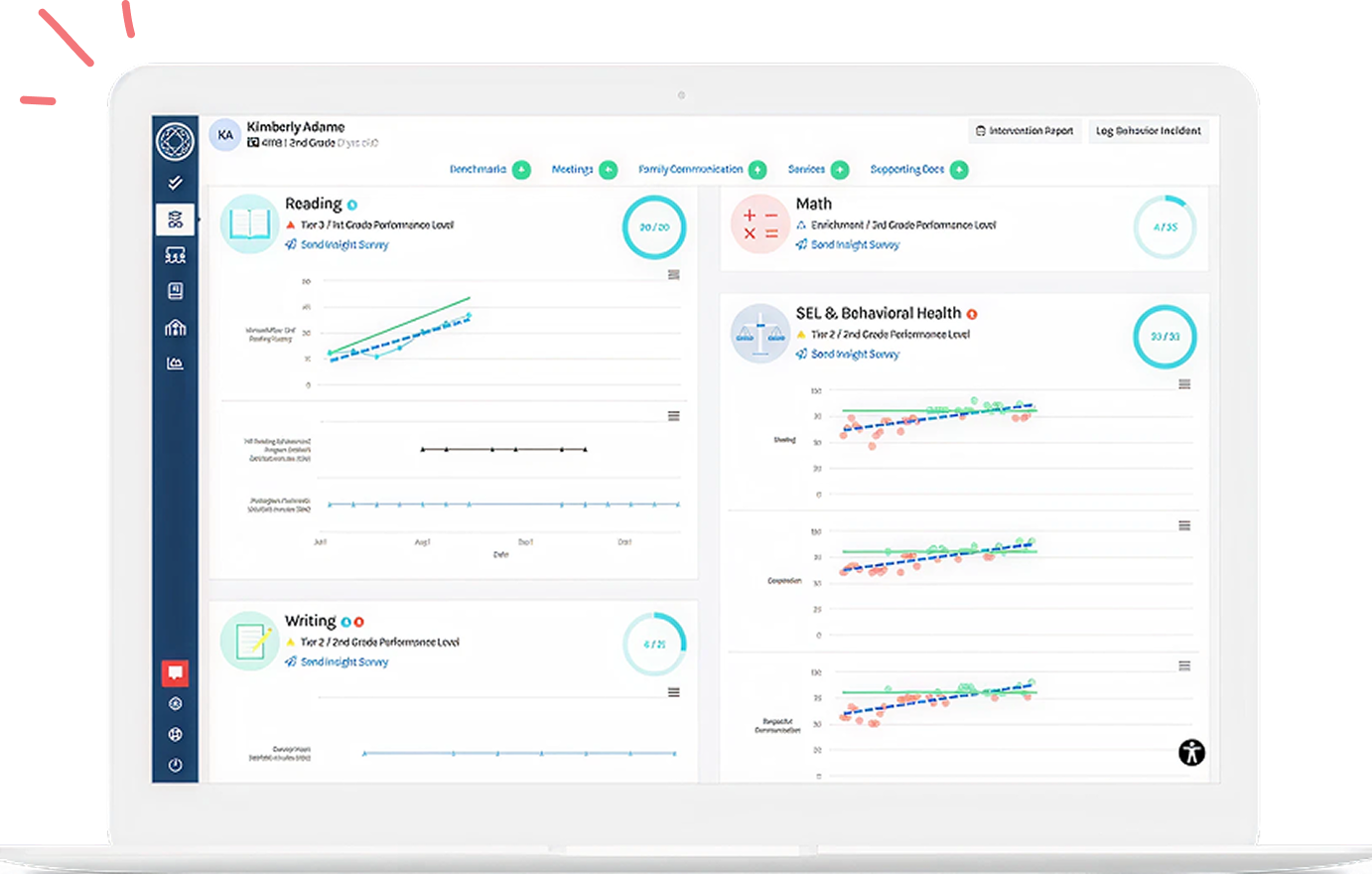
Strengthen MTSS Across Your District
See how the Branching Minds MTSS platform helps districts organize interventions, monitor student progress, and improve implementation across every school.

.png?width=716&height=522&name=MTSS-I%20NY%20(Preview).png)
.png?width=716&height=522&name=How%20Illinois%20Districts%20Can%20Fund%20RTI%20MTSS%20Infrastructure%20(preview).png)
.png?width=716&height=522&name=Funding%20in%20Texas%20(preview).png)