
































.png?width=444&height=266&name=Student-support%20(1).png)




.png?width=318&height=279&name=Evanston(tile).png)



.png?width=318&height=279&name=Teams%20Edweb%20(6).png)

%20(3).png?width=318&height=279&name=Mitch-CEO(preview)%20(3).png)



.png?width=1436&height=956&name=What%20If%20Behavior%20Is%20the%20Key%20to%20Academic%20Success%20Mini%20Summit%20Recap%20(preview).png)
The key theme of the 2026 MTSS Mini Summit was that student behavior provides valuable information about how students are experiencing school and whether they are able to fully engage in learning. In other words, behavior should not be viewed separately from academics, attendance, or social-emotional development.
Why Behavior and Academics Must Work Together
Too often, behavior and academics are addressed through separate systems, teams, and conversations. But students do not experience school in separate categories.
A student struggling academically may begin avoiding assignments, disengaging during instruction, or missing school. Likewise, attendance challenges, anxiety, or behavioral concerns can quickly affect academic performance.
Rather than asking, "How do we stop this behavior?" educators can often gain more insight by asking:
What is this behavior trying to tell us?
Viewing behavior as a form of engagement helps teams move beyond symptoms and focus on the underlying barriers preventing students from accessing instruction and support.
What Student Behavior Is Trying to Tell Us
One example shared during the keynote involved a student who frequently refused reading assignments and accumulated behavior referrals.
At first glance, the concern appeared behavioral, but a closer look revealed a long history of reading difficulties and academic frustration. The student's refusal was less about defiance and more about avoiding tasks that had become overwhelming.
This highlights an important principle for MTSS teams:
Behavior is rarely random.
When educators investigate the purpose behind a behavior, they can design supports that address the underlying challenge rather than simply reacting to the symptom.
In many cases, the most effective solution combines academic, behavioral, and social-emotional supports within a coordinated plan.
.png?width=1000&height=500&name=The%20District%20Leader%E2%80%99s%20Guide%20to%20MTSS%20and%20Improvement%20Planning%20(preview).png)
Bringing Siloed Systems Together
Many districts have separate teams focused on academics, behavior, attendance, and student wellness. While each serves an important purpose, operating independently can create duplication, inefficiency, and fragmented support.
Common challenges include:
- Multiple plans for the same student
- Separate meetings reviewing related concerns
- Disconnected communication with families
- Missed opportunities to identify patterns across data
Bringing these perspectives together allows educators to develop a more complete understanding of student needs while making better use of limited time and resources.
Using Data to Create More Connected Support
Creating more connected systems starts with more connected data.
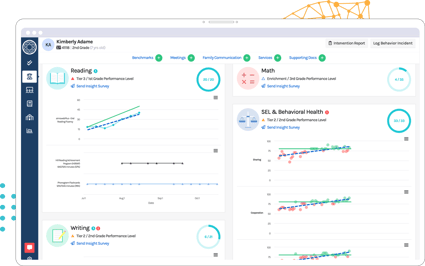
Rather than reviewing academic, behavioral, attendance, and social-emotional information separately, schools can look for patterns and relationships across multiple indicators.
Questions worth considering include:
- Where are academic and behavior data reviewed separately?
- Which teams could collaborate more effectively?
- Are intervention plans coordinated around student needs?
- Do professional learning opportunities connect academic and behavioral practices?
When schools establish shared decision-making processes and common problem-solving structures, they are better equipped to provide timely, effective interventions.
.png?width=1280&height=720&name=Why%20Student%20Behavior%20Is%20Core%20to%20Student%20Success%20(thumbnail).png)
How Springs Charter Schools Connected Behavior, Academics, and Student Support
.png?width=1875&height=938&name=Springs-Charter-Success(thumbnail).png)
Resources for Strengthening MTSS
Building connected systems of support requires intentional planning, collaboration, and ongoing reflection.
As districts continue strengthening their MTSS frameworks, opportunities exist to:
- Align academic and behavioral supports
- Improve access to meaningful data
- Strengthen family partnerships
- Focus more energy on prevention and less on reaction
When behavior is seen as core to student success and considered together with academics, attendance, and social development, we see the full picture of student needs and can respond in a coordinated way.
Resources from "Behavior at the Core of Student Success"

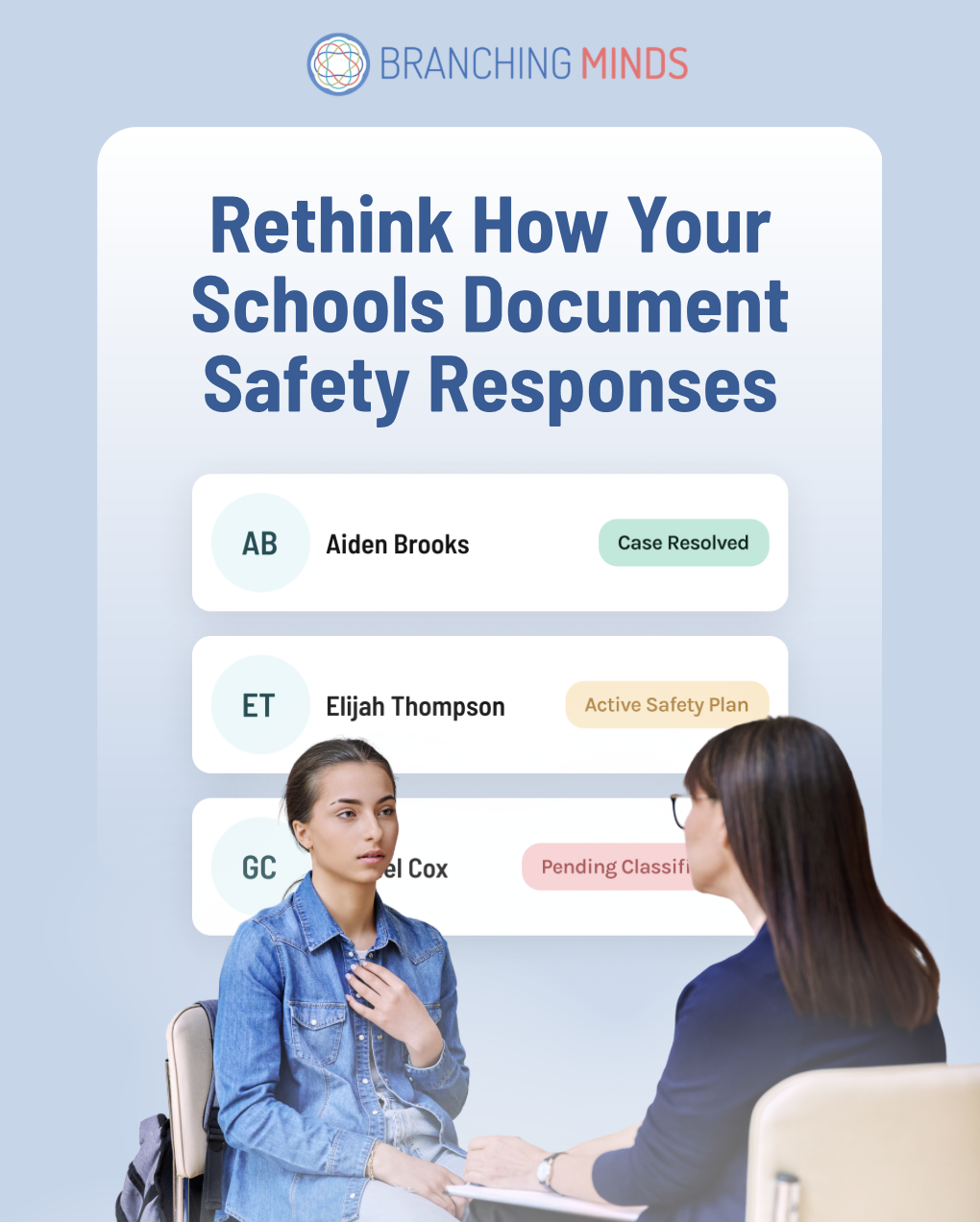
Safety Insights to Support Every Student
Bring threat assessment, suicide risk response, and student support planning together in one secure system.

-1.png?width=716&height=522&name=Washingtons%20RTI%20Requirement%20for%20SLD%20Eligibility(preview)-1.png)
.png?width=716&height=522&name=Californias%20Budget%20Is%20Betting%20Big%20on%20MTSS%20and%20Community%20Schools%20%20(Preview).png)
.png?width=716&height=522&name=MTSS-I%20NY%20(Preview).png)