



















































A school system is much like a band. Each instrument plays its own part, and together those parts shape the outcome. What makes a piece of music work is a director who hears every part and keeps everything running smoothly and connected.
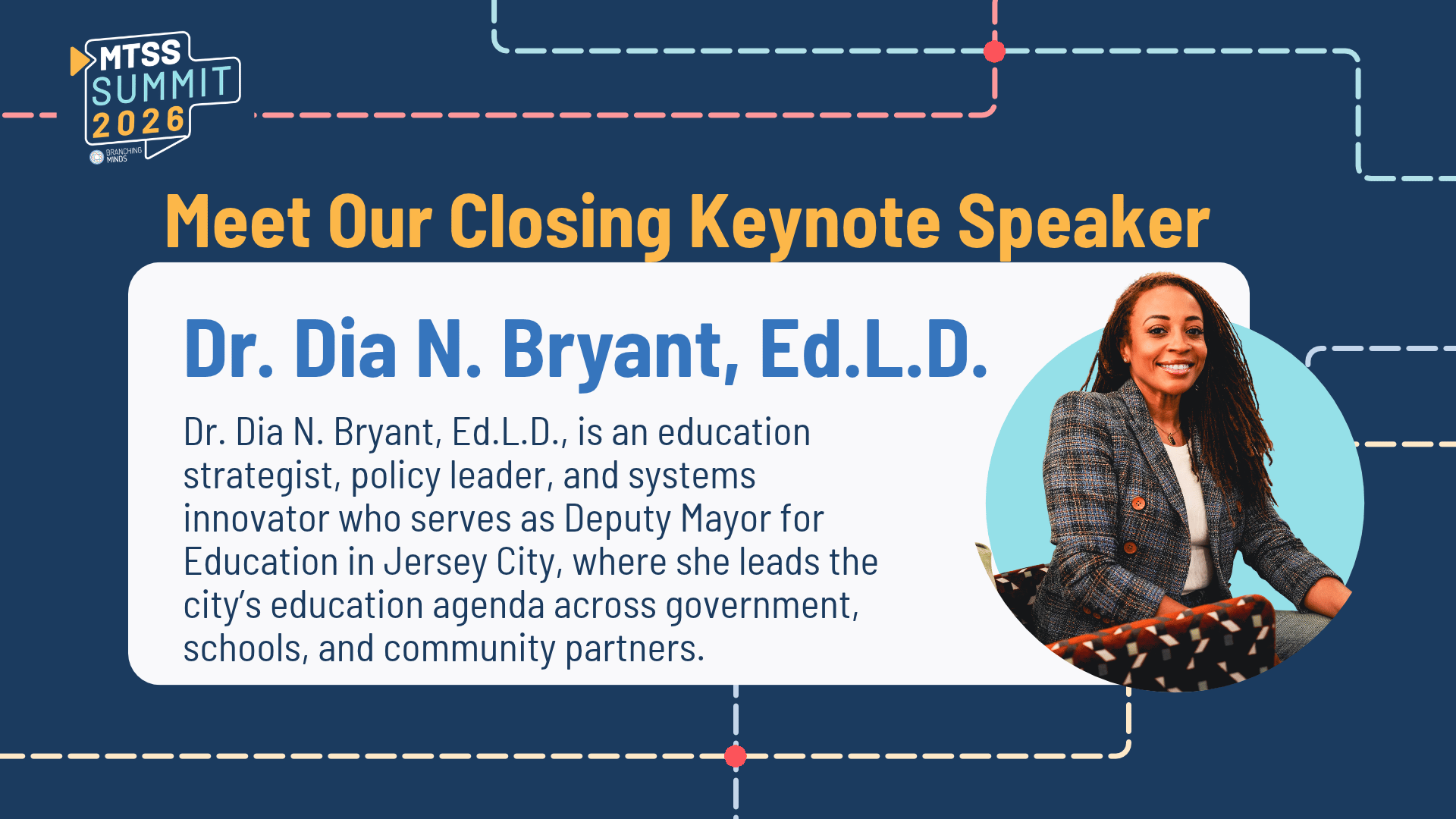
Recent conversations with two leaders made it clear that great leadership is essential to a connected system. Dr. James Lane, a former band director, principal, and Virginia Superintendent of Public Instruction, and Dr. Dia Bryant, Deputy Mayor for Education in Jersey City, each bring a perspective on what kind of leadership it takes to build one.
Both will keynote the 2026 MTSS Summit on December 3, and both recently shared their insights on the Schoolin' Around podcast with host Larissa Napolitan.
#1 Control the Weather Inside the Building
Turnover, new initiatives, and funding changes arrive whether or not schools are ready for them. When news breaks about a board decision or a budget, staff members start to wonder about their jobs and the future.
Bryant's answer is to focus on what a leader can control. "We can't control the weather outside," she says. "We can only control the weather inside." She passes along advice from a strategist she admires: when problems get big, get small. Set fewer priorities, protect time, and absorb pressure where you can.
Protection is one of the core jobs she names. "Leaders are meant to provide direction, protection, and order. Period." When pressure comes at teachers, the leader shoulders and blocks it. Sometimes that is as simple as thinking about when to send the Monday email with news, so it doesn't spoil everyone's Monday.

A leader's own state matters too. Bryant says a leader's anxiety is contagious and louder than people think. Staff take their cues from the person leading them.
🔽 Hear Dr. Bryant's full conversation on Schoolin' Around.

#2 Fix One Thing at a Time
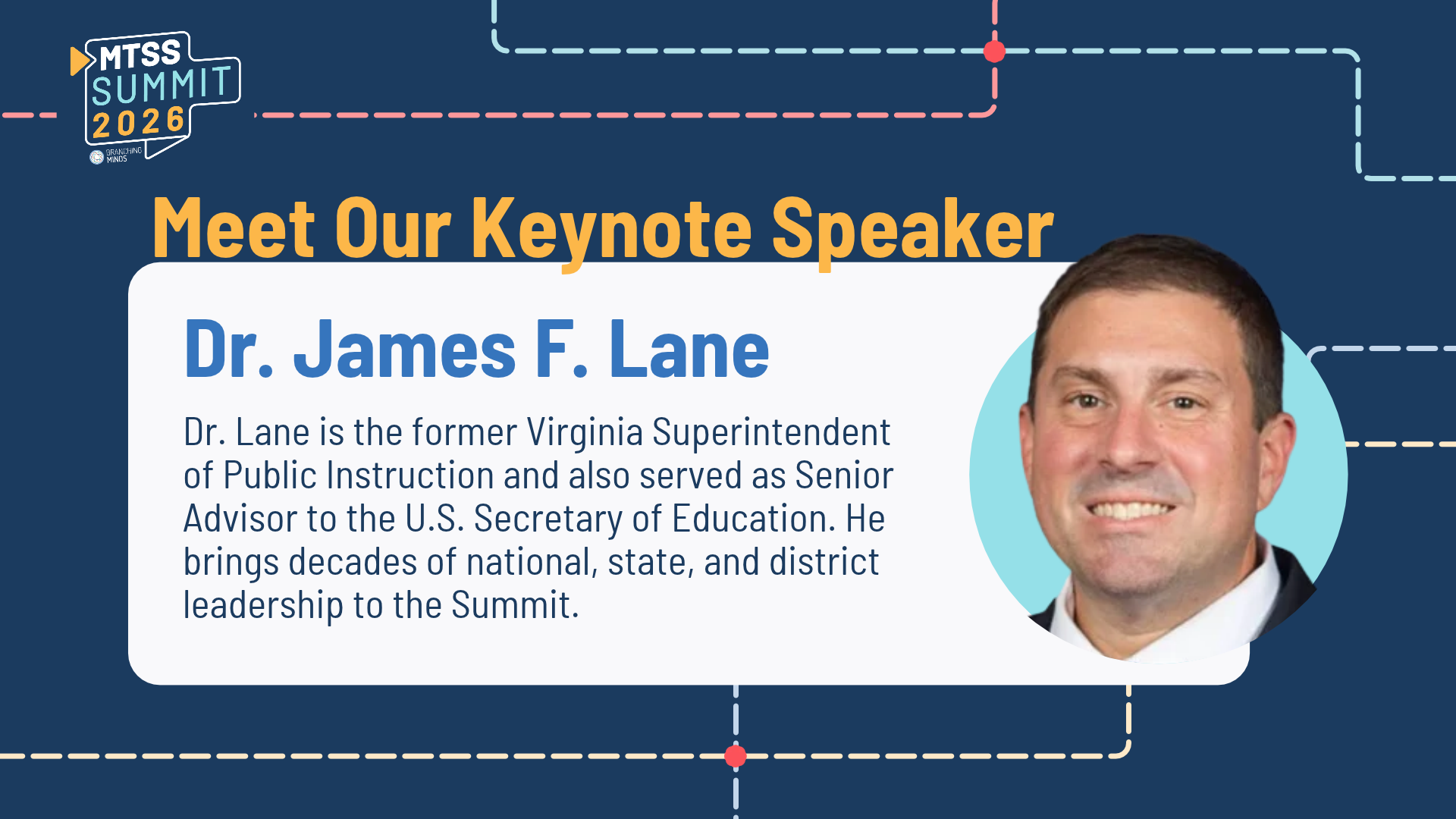
A connected system gets built one area at a time. Dr. James Lane, a former band director, shares how zeroing in on one section of the band relates to the work of educational leaders:
In a district, this might look like finding the root cause of one problem, such as sixth grade math scores, solving it, and then moving on to the next. Lane describes seeing results from this kind of focus in his first principalship, at a small school in Middlesex, Virginia. According to Lane, sixth grade math pass rates there rose from roughly 60 percent to the nineties within a year of putting his seven-step approach in place.

Lane's band background shaped how he thinks about daily work. He wanted to be the best at getting better, a phrase he says one of his assistant superintendents coined. In his view, a band program is much more than the concert. The concert is a moment in time, and the daily practice is what builds the program.
🔽 Hear Dr. Lane’s full conversation on Schoolin’ Around
#3 Stop, Keep, Start
Small steps start with permission to stop. Leaders can give their teams that permission to drop something that isn't working, take it off their plates, and free up energy for the work that matters most. Stopping low-value work also helps when budgets are tight, because it gives teachers back time that money can't buy.
A simple way to keep things small is to decide what to stop, what to keep, and what to start. The exercise can be as in-depth as you make it. Midway through the school year is a good time to run it, especially if teachers and staff are overwhelmed by everything that needs to get done.
To run the exercise:
- Run it with building leaders and a few teachers, who know which tasks add little value.
- Revisit it each quarter, when new demands tend to pile up.
- Ask your teams: Does each item help identify student needs, deliver interventions, or monitor progress? If not, it is a candidate to stop.
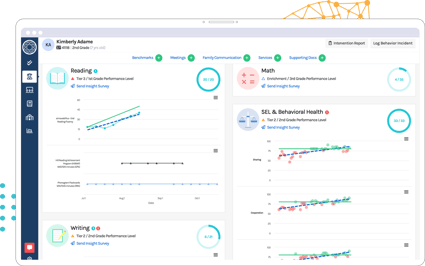
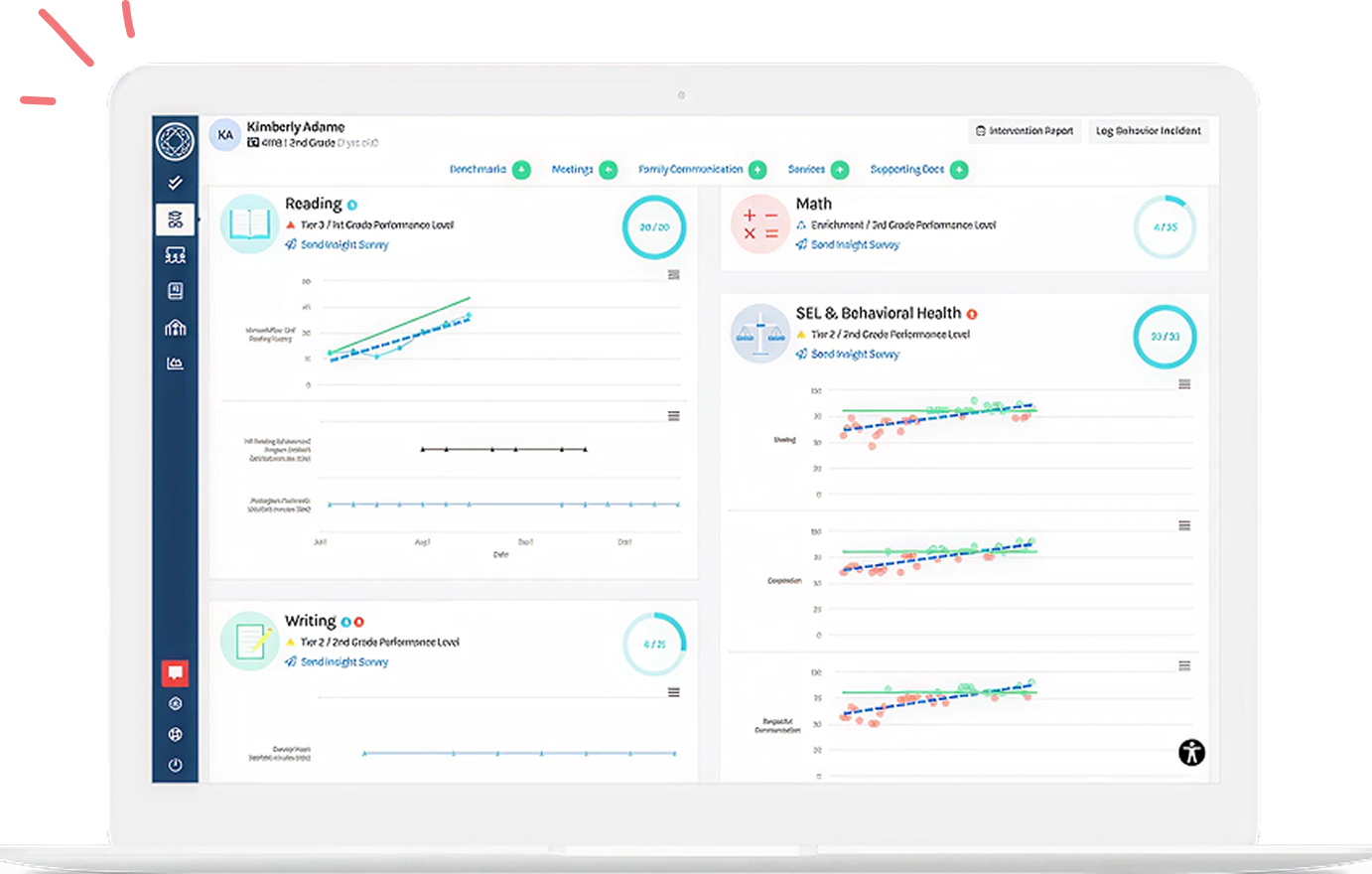
If teachers spend time reporting on data or pulling it themselves, consider an MTSS platform that brings student data into one place. That saves teachers time and energy for the work only they can do. Explore key ways Branching Minds helps districts see the full picture of student support.
A Calm and Connected System
In thinking back to a band concert, the sound an audience hears comes from daily practice: stopping to fix one section, keeping the players steady, and bringing everyone back together. Dr. Lane and Dr. Bryant both speak to the practical, everyday actions of leaders and why they matter. These unglamorous actions, such as protecting teachers' time, choosing fewer priorities, and staying steady when others are anxious, help keep a system calm and focused on supporting teachers.
Don't miss the chance to hear more from both leaders at the 2026 MTSS Summit on December 3.


Strengthen MTSS Across Your District
See how the Branching Minds MTSS platform helps districts organize interventions, monitor student progress, and improve implementation across every school.