






























.png?width=444&height=266&name=Student-support%20(1).png)




.png?width=318&height=279&name=Evanston(tile).png)



.png?width=318&height=279&name=Teams%20Edweb%20(6).png)

.png?width=318&height=279&name=Best_Small_Workplaces-2026(no-text).png)




.png?width=1436&height=956&name=Campus-Behavior-Plan(preview).png)
Every administrator I know works hard to build an environment that makes teaching and learning a joy. Whether at the district or campus level, it’s common for a behavior initiative to kick off with real energy, everyone gets training and is off and running. Then year two hits, the wheels get wobbly, a few key people leave, the follow-up isn’t strong, and by year three it can feel like starting over. It doesn’t have to be this way! This work (your work!) deserves a plan for the long haul.
1. No Principal Buy-In
A campus PBIS team can have great ideas and still stall out if the principal isn't behind it. In my experience, if the principal isn't involved at all, and this isn't a priority for them, it's just not going to happen. This often starts at the district level - principals value what the district is focused on, so it is important that district level leadership is giving attention to school climate and behavior support.
That doesn't mean the principal has to run the meetings. It’s common for an assistant principal or a behavior staff member to chair the team day to day. But the principal, as the campus leader, needs to be seen as a visible champion of the work. Without that, staff read the initiative as optional, and optional things get skipped the second the schedule gets tight.
2. No Regular PBIS Team Meetings
In order to have the time to analyze and problem solve, and momentum from taking action, a campus behavior team typically needs to meet 2 hours a month. That could be one hour twice a month, that could be one focused meeting a month, that could be a standing item on the weekly leadership team agenda set aside for campus-wide behavior discussion.
The most successful teams get a recurring meeting time reserved on the calendar for the whole school year. If a particular meeting turns out to be unnecessary, give the time back to your team. What you can't do is recover months of lost momentum once it's gone.
3. No Documentation
A team can meet consistently and still lose everything it built if none of it is written down and kept in an accessible place. If the work is not archived and backed up, all it takes is for the wrong person to leave and the team is starting from scratch again.
What kinds of things should be archived? Ask this question: imagine you're a brand new assistant principal at this campus. What would you want to see?
- A campus behavior plan?
- Last year's slide deck on behavior expectations?
- The current action plan for the PBIS team?
I would want all of those and more! If it matters, write it down and organize it so it outlasts the current team.
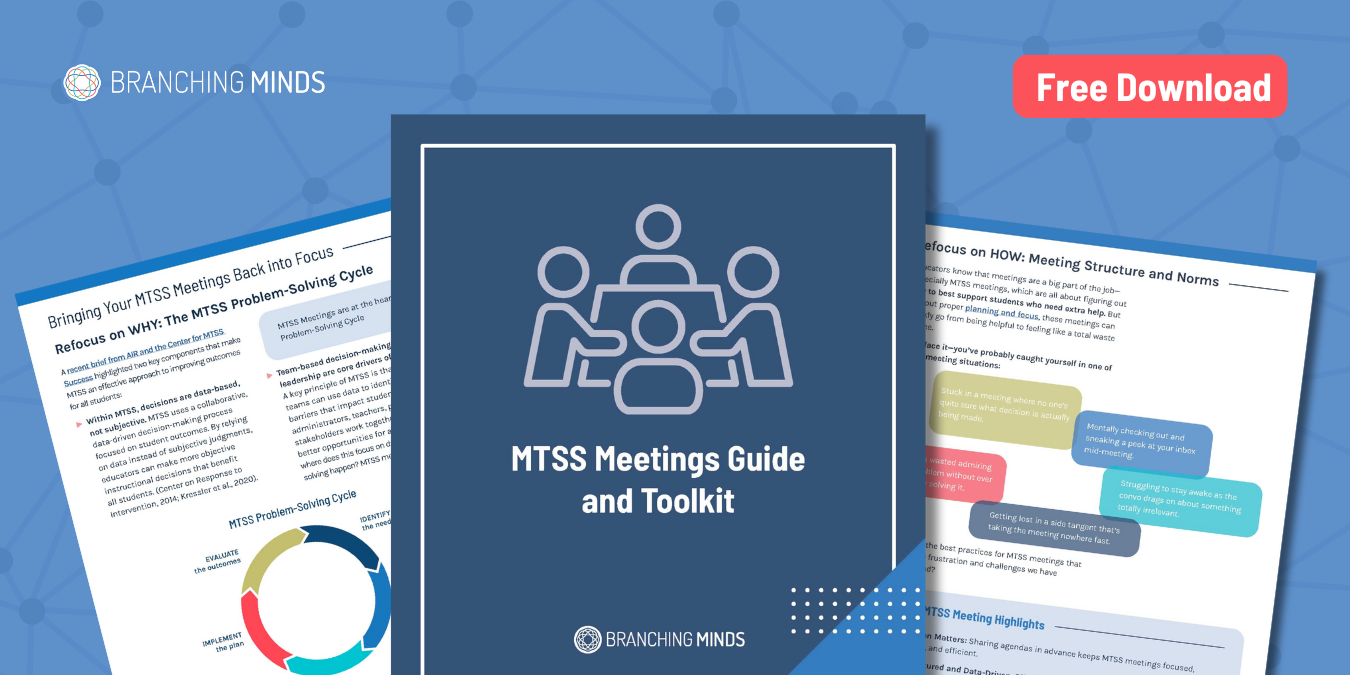
Related Resource: Building a Strong MTSS Handbook to Support Successful Implementation
4. No Data
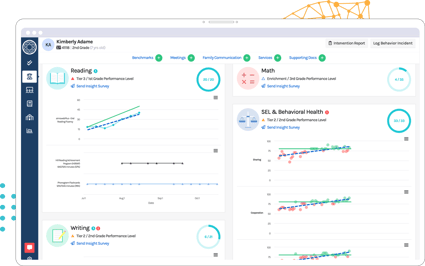
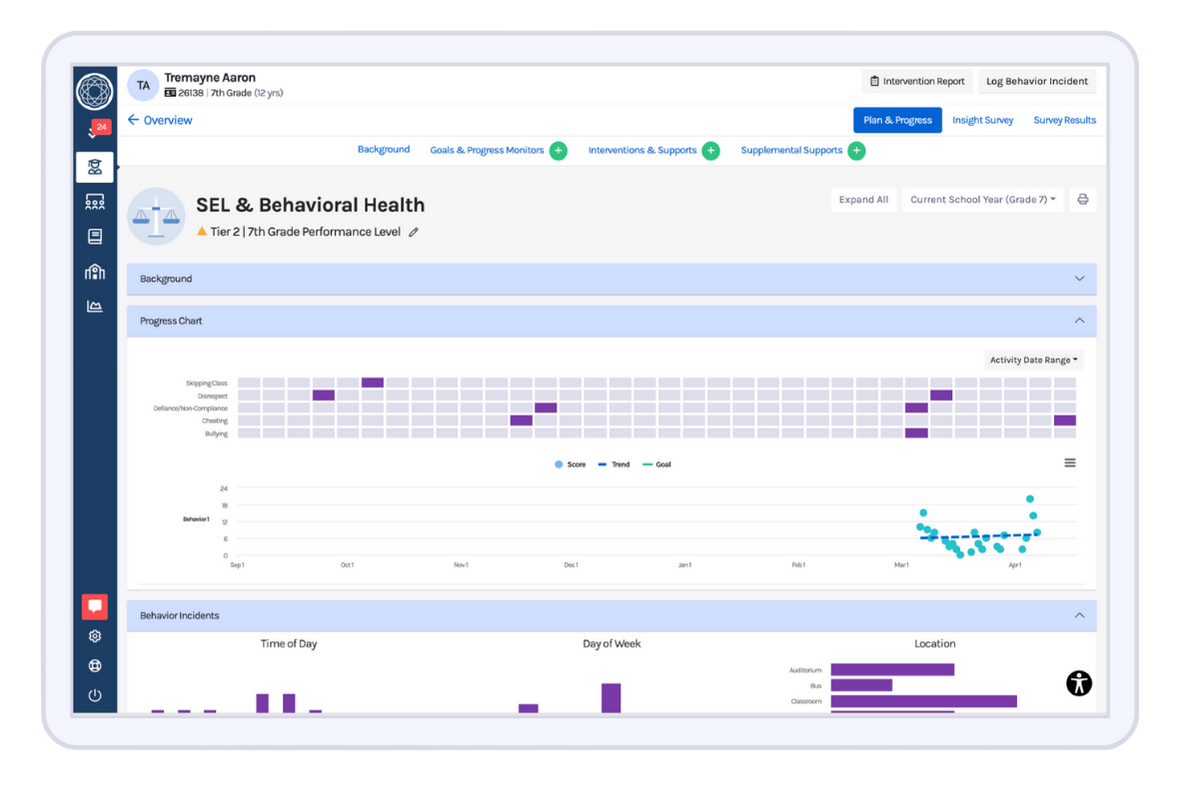
Or at least, no usable information. A stack of spreadsheets tells a team almost nothing about where to focus. Instead, data should be in a clearly understandable visual format, with the ability to aggregate and disaggregate the data in different ways so you can drill down and problem solve.
Here are two critical pieces of data every team needs:
- A view of discipline incidents by time of day, location, and grade level that shows a team exactly where behavior is concentrated, whether that's a hallway after recess, a grade level with a lot of new teachers that year, or a specific period in the cafeteria.
- Direct observation data about the learning environment that rounds out what referral data alone won't show. For example, stand in a hallway or a classroom for five or ten minutes and just tally positive interactions against negative ones. It's a fast, often humbling way to see exactly where a school's culture actually stands.
Why a Handbook Is What Holds It Together
Every one of these four failure points has the same fix underneath it: write the plan down, in one place, in a format that survives staff turnover.
I used a campus behavior plan template to help campuses organize exactly this:
- Leadership team and schedule
- Campus-wide behavior guidelines
- Common area expectations
- Discipline procedures
- Data review process
Want the template? Here is the editable Campus Behavior Plan template I used.
Building a Plan That Outlasts Turnover
.png?width=1080&height=1080&name=PBIS%20Sustainability%20Checklist%20(1).png)
Start by checking your team against the four warning signs:
-
Is your principal a visible champion?
-
Is the team actually meeting?
-
Is the work written down somewhere shared?
-
Do you have data you can actually act on?
Then, put the plan in a place where it is accessible to everyone, refer to it frequently, and keep adding and adjusting as you go. Years from now, your campus team can still be building on the foundation you’ve created.

Behavior Interventions Are Easier to Manage With the Right MTSS Platform
See how districts organize interventions, monitor progress, document supports, and identify behavior trends in one place.

.png?width=716&height=522&name=Behavior%20Progress%20Monitoring%20(Preview).png)
.png?width=716&height=522&name=Restorative%20Practices%20(preview).png)
.png?width=716&height=522&name=Eliminating%20Data%20Silos%20(preview).png)