































.png?width=444&height=266&name=Student-support%20(1).png)




.png?width=318&height=279&name=Evanston(tile).png)



.png?width=318&height=279&name=Teams%20Edweb%20(6).png)

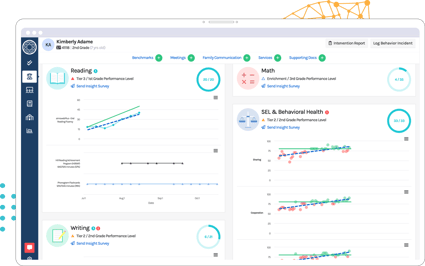






“I’ve never seen anything like it!”
If you’ve spent time with teachers recently, chances are you’ve heard a statement like this regarding disruptive and even dangerous behavior in the classroom. Challenging behaviors are on the rise, not just in number, but also in intensity and range, from PreK right up through high school. However, getting support in place is complicated, often leading to frustration for teachers and poor outcomes for students. It’s time for a reality check!
Let’s explore why Tier 3 behavior intervention is so difficult to get right, along with practical action steps to help improve your behavior support system.
REALITY CHECK #1: Tier 3 Behavior Intervention is Complex, Expensive, and Skillful
Because of the unpredictable nature of providing Tier 3 behavior intervention, it cannot simply be added to a staff member's already full job description (written or unwritten). These interventions require skilled professional oversight, significant time, dedicated resources, AND the freedom to set aside other responsibilities when needed.
The Challenge
Resources and staff are often stretched to the limit. In the absence of a proactive behavior support system, it is easier in the short term to wait for behavior to escalate and then over-rely on punitive consequences that do not address the root causes of behavior or help students develop a strong connection to school.
The Solution
Tier 3 behavior interventions require a high level of consistent, skillful support and a model for prevention rather than reaction. That said, even when proactive instruction is in place, crisis situations are likely to occur. Expect the unexpected and provide the staffing, space, and resources needed to actually address and reduce very challenging behavior.
Key Actions:
-
Be strategic with behavior staffing and training, and hire for positive behavior intervention knowledge and skill rather than disciplinary experience.
-
In the absence of dedicated personnel, be proactive about identifying and training personnel to provide Tier 3 behavior intervention, with the understanding that their other job duties will be covered by a sub when intensive intervention is needed.
-
Consider partnerships with local university school psychology and social work programs and community mental health providers to help cover increasing needs.
-
Dedicated expertise at the district level can be transformational. One position can train and oversee campus-level staff, leading to far better outcomes.
- Utilize district or state-level comprehensive training programs for behavior staff rather than trying to develop campus-by-campus training. For example, in Texas, the regional education service centers provide a wide variety of behavior training, including a full behavior specialist endorsement program.
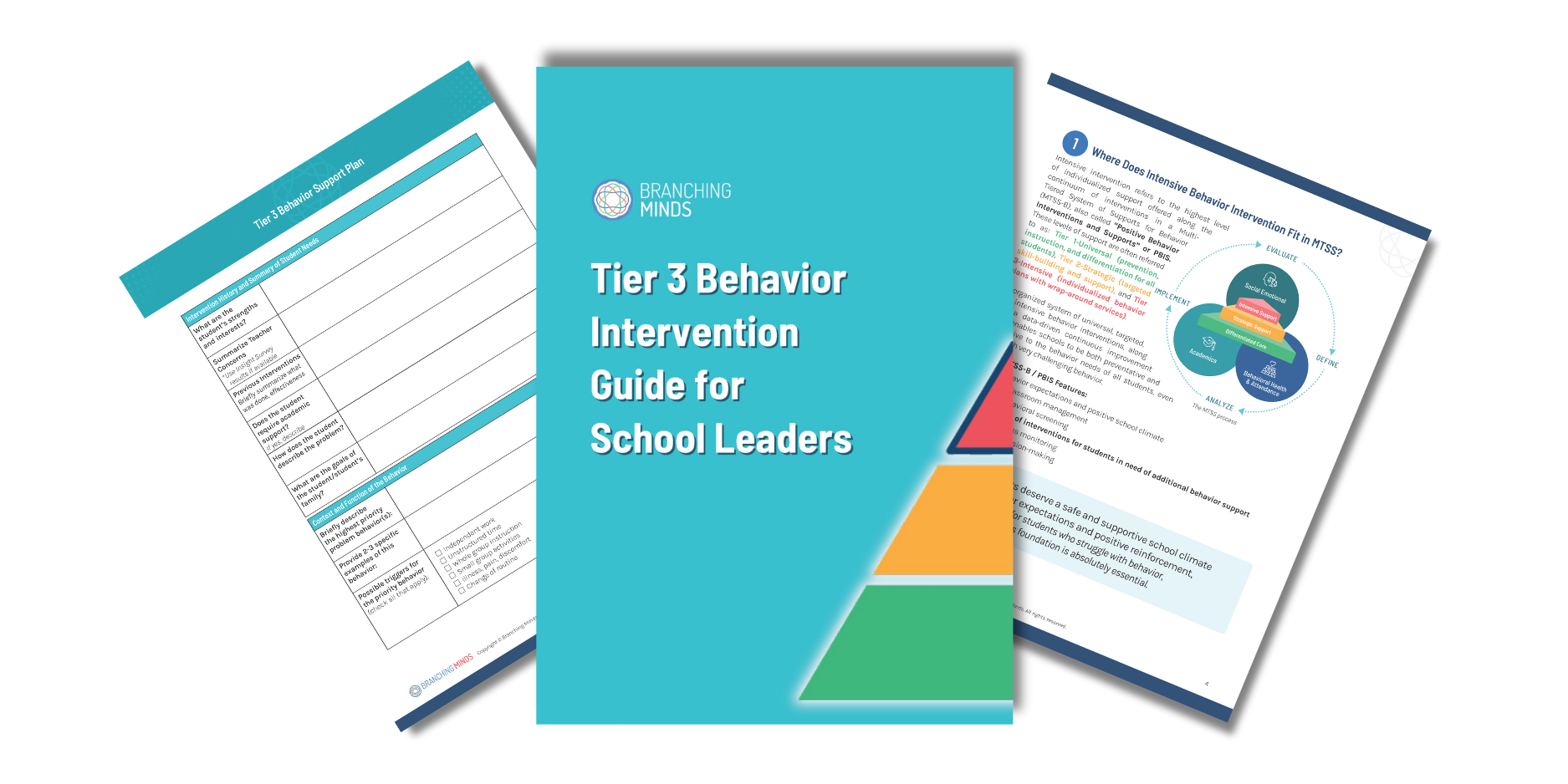
REALITY CHECK #2: Trying to Provide Tier 3 Intervention Without Good School-Wide Supports is Overwhelming and Ineffective
Although all students benefit from a supportive climate and clear expectations, these are absolutely vital for students with behavior challenges. When Tier 1 and Tier 2 supports are weak or fragmented, the demand for Tier 3 interventions skyrockets, overwhelming school staff.
The Challenge
Many schools are drowning in the need for intensive behavior intervention and are aware that they need stronger Tier 1 and Tier 2 supports. But dangerous, disruptive behavior cannot be ignored while you build out universal and targeted behavior support systems.
The Solution
Most students can succeed with basic structure, a warm and supportive climate, and targeted support when needed. Find low-lift ways to increase the basic level of positive supports and classroom management while continuing to build a strong program for intensive needs. Often, there are classroom teachers and other staff members who are skilled at creating a positive learning environment and would be willing (even excited!) to provide leadership in this area, freeing up other staff members for intensive needs.
Key Actions:
- Develop a team focused purely on creating a safe and supportive school environment with clear expectations and lots of positive reinforcement and relationship building. Student leaders are also ideal to serve on this team.
- Focus on behavioral screening to shift from a referral model to a proactive approach.
- Build a continuum of interventions and a protocol for data-driven decision-making to ensure tiered supports are provided efficiently, reserving intensive support for those who truly need it.
REALITY CHECK #3: Fragmented Practices Lead to Poor Outcomes
Students with behavior needs often have multiple plans with conflicting information, overwhelming teachers and leading to inconsistent implementation. Without clear planning and coordination, schools struggle to provide effective support. Even dedicated behavior staff may lack the information they need to coordinate interventions and wraparound services.
The Challenge
Fragmented practices result in poor outcomes for students and frustrated educators. Behavior change is hard – students need step-by-step consistent instruction and reinforcement. There are appropriate ways for teachers to participate in intervention and reinforce skills, but they shouldn’t have to sift through conflicting plans to figure out what to do.
The Solution
A coordinated, collaborative model is the answer, and a Multi-Tiered System of Support (MTSS) provides it! MTSS is a structured framework for supporting students’ needs, including wellness, mental health, behavior, attendance, social skills, and academics. Branching Minds facilitates this with a centralized platform for data, interventions, progress monitoring, and collaboration tools, streamlining the process for educators.
Key Actions:
- Bring together all the information needed to develop and communicate clear intervention plans. Make it easy for staff to find and implement their piece of the intervention plan.
- Provide explicit instruction and modeling for teachers on implementing Tier 3 interventions within their scope of practice.
- Make sure the intensive behavior plans are explicit about who, what, where, when, and how the intensive intervention will take place. Using a template can help.
The Impact of a Strong Tier 3 System
Effective Tier 3 behavior support is not an add-on or afterthought, but a comprehensive, long-term commitment. And it is worth it – students and teachers both benefit from a system of intentional support. In fact, a well-implemented MTSS for behavior may even have the teachers in your district smiling as they say, “I’ve never seen anything like it!” When a child with challenging behavior gets the support they need to fully participate in school, it is truly life-changing.

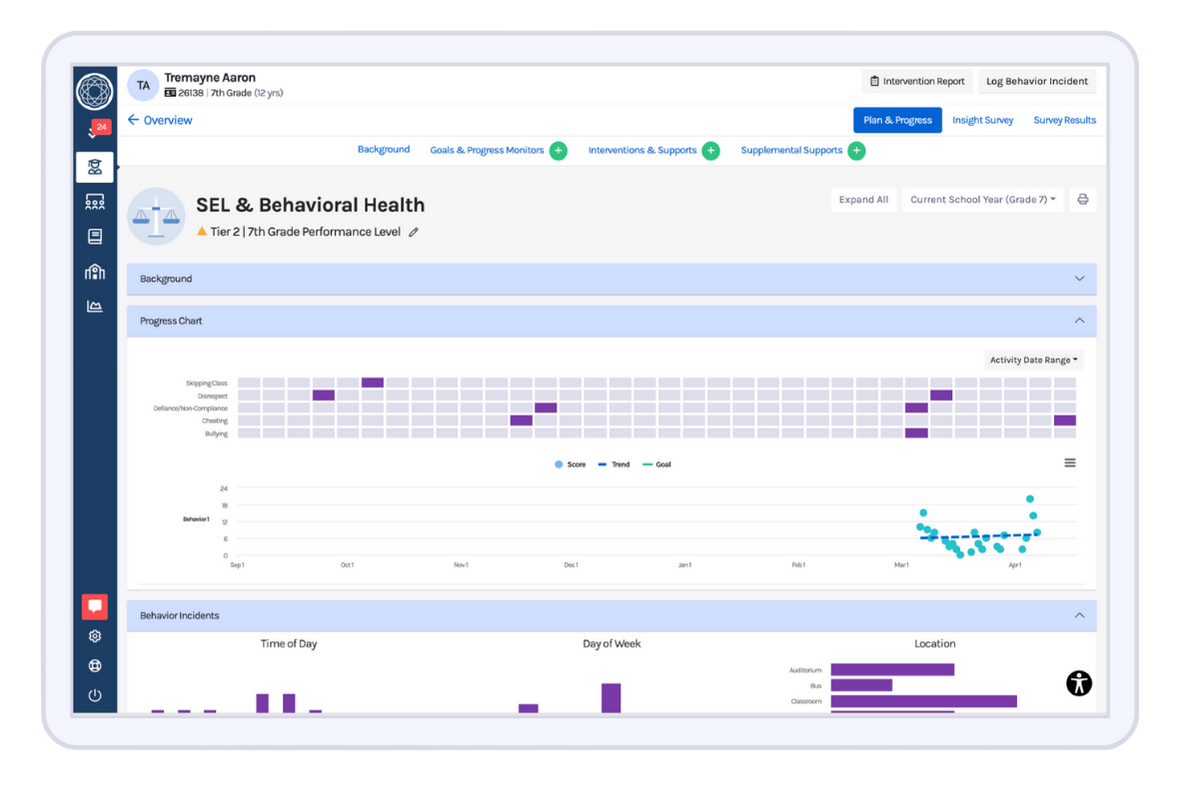
Behavior Interventions Are Easier to Manage With the Right MTSS Platform
See how districts organize interventions, monitor progress, document supports, and identify behavior trends in one place.

.png?width=716&height=522&name=Behavior%20Progress%20Monitoring%20(Preview).png)
.png?width=716&height=522&name=Eliminating%20Data%20Silos%20(preview).png)
.png?width=716&height=522&name=Campus-Behavior-Plan(preview).png)