






























.png?width=444&height=266&name=Student-support%20(1).png)




.png?width=318&height=279&name=Evanston(tile).png)



.png?width=318&height=279&name=Teams%20Edweb%20(6).png)

.png?width=318&height=279&name=Best_Small_Workplaces-2026(no-text).png)




.png?width=1436&height=956&name=Exec%20Function%20(preview).png)
Success in school and in life is not about being the smartest in the room; it’s about how well you can manage yourself and navigate the challenges you face every day. Executive functioning, the ability to manage tasks, time, and emotions, plays a crucial role in students’ growth and learning. But what is the best way to help students develop these skills? One key lies in enhancing our own executive functioning skills, creating an environment in which we intentionally practice and model these soft skills in our daily interactions with students and colleagues.
Let’s explore practical steps to enhance our own executive function, collaborate more effectively with colleagues, and support students in developing their skills.
1. Enhancing Personal Workload Management
Workload management is one of the most challenging aspects of teaching. From lesson planning to grading to handling classroom behavior, the day is packed, and all too often, the evening is packed as well. This is where self-awareness of executive functioning comes into play.
Assess Your Strengths and Weaknesses
A great way to start is to assess our own executive functioning strengths and areas for improvement. Are you great at organizing materials but struggle with time management? Maybe you’re excellent at managing student behavior but find it difficult to prioritize tasks when your to-do list is overflowing.
- Take stock of your strengths: Do you excel in keeping your classroom organized? Are you good at multitasking?
- Identify your growth areas: Are you frequently behind on grading, or do you find it hard to meet deadlines?
Downloadable Resource: Executive Function Checklist for Teachers

Apply Practical Strategies
Once you know your strengths and weaknesses, you can apply strategies to enhance your workload management. Here are some ideas:
- Use a planner or digital tools to track tasks and deadlines. A well-structured planner or digital calendar can help you prioritize tasks and avoid feeling overwhelmed.
- Break down large tasks into smaller, manageable steps. For example, instead of tackling “Plan next week’s lessons,” break it down into steps like choosing reading materials, outlining activities, and creating assignments.
- Set reminders on your phone or computer to keep yourself on track, especially for recurring tasks like progress monitoring or grading.
A teacher with strong organizational skills might breeze through lesson planning, but struggle with time management. In that case, using timers and scheduled breaks can help ensure tasks are completed without burnout.
Webinar: Practical Ways to Address Educator Workload and Help Teachers Thrive
2. Improving Collaboration Among Teachers
Executive function isn't just important for managing your personal workload—it can significantly impact how you collaborate with your colleagues.
Recognize Diverse Skills on Your Team
Every teacher brings a unique set of strengths to the table. Some teachers may excel in planning, while others are strong in prioritizing or time management. By understanding the executive functioning strengths of your colleagues, you can create more effective partnerships.
For example, if you're strong in organization but weak in prioritizing, you might collaborate with a colleague with complementary strengths. This understanding fosters better collaboration and helps the entire team function more smoothly.
Create a Supportive Team Environment
Building a supportive environment where teachers can share their executive functioning strengths and strategies can lead to better teamwork. Try this exercise:
- Conduct a group assessment: Have each team member assess their executive functioning strengths and share them with the group.
- Create partnerships: Pair teachers with complementary strengths to work on shared tasks like lesson planning or student interventions.
- Share strategies: Regularly discuss what’s working for each teacher and build on those strategies as a team.
This collaborative approach not only helps the teachers but also sets a positive example for students by demonstrating how leveraging strengths and working together can lead to success.
Related Resource: Benefits of and Strategies for Teacher Collaboration in MTSS
3. Supporting Student Development
Just like teachers, students have their own strengths and challenges in executive functioning. Understanding these can help you tailor your support to meet their needs.
Identify Executive Function Challenges
A student who frequently forgets to turn in homework or struggles to stay on task may have an underdeveloped working memory or weak time management skills. Recognizing these patterns allows you to approach the issue with empathy and create strategies that directly address their needs.
For example:
- A student who struggles with working memory may benefit from visual aids, like a checklist of tasks to complete during the day.
- A student who has trouble staying focused could use frequent breaks or movement-based activities to help reset their attention.
Implement Targeted Supports
Once you've identified a student’s challenges, you can implement specific interventions to support their executive functioning:
- Use visual schedules to help students stay organized and manage their time.
- Break down assignments into smaller, more manageable steps to help students stay focused and avoid feeling overwhelmed.
- Offer regular check-ins with students who struggle with time management to help them stay on track.
4. Creating a Positive Classroom Environment
Knowing that a student’s disruptive behavior may stem from executive function challenges rather than willful disobedience can reduce frustration. Instead of reacting with impatience, you can respond with empathy and targeted support. For example, a student who frequently blurts out answers might be struggling with impulse control—understanding this allows you to implement strategies like using hand signals or taking turns speaking to help them manage their behavior.
Model Executive Functioning Skills
One of the most powerful ways to help students develop their executive functioning skills is by modeling these skills yourself. Show them how you:
- Use planners to organize tasks.
- Manage time by breaking tasks into smaller steps or using timers.
- Regulate emotions by using calming strategies, like deep breathing, during stressful moments.
By narrating these strategies as you use them, you teach students how to improve their own skills and create a classroom culture where organization, problem-solving, and emotional regulation are the norm.
Long-Term Benefits for School Culture
A schoolwide emphasis on executive functioning can enhance both staff and student performance. Schools can integrate executive functioning awareness into professional development and student assessments, helping both staff and students better understand their strengths and challenges.
Consider introducing:
- Schoolwide assessments to identify executive functioning strengths and areas of growth among staff and students.
- Workshops focused on executive functioning, where teachers and administrators can learn strategies to enhance both their own skills and those of their students.
From Classroom to Life: Executive Function Wins
Executive function skills are not just essential for academic success. Whether it's managing time, setting goals, or adapting to challenges, these are the abilities that help educators and students thrive in personal and professional settings. The good news is that these skills can be developed and strengthened with practice. So, keep at it—you’re building habits that will serve you and your students for life!

🔼 Want to go deeper? Listen to our conversation on teaching executive functioning.

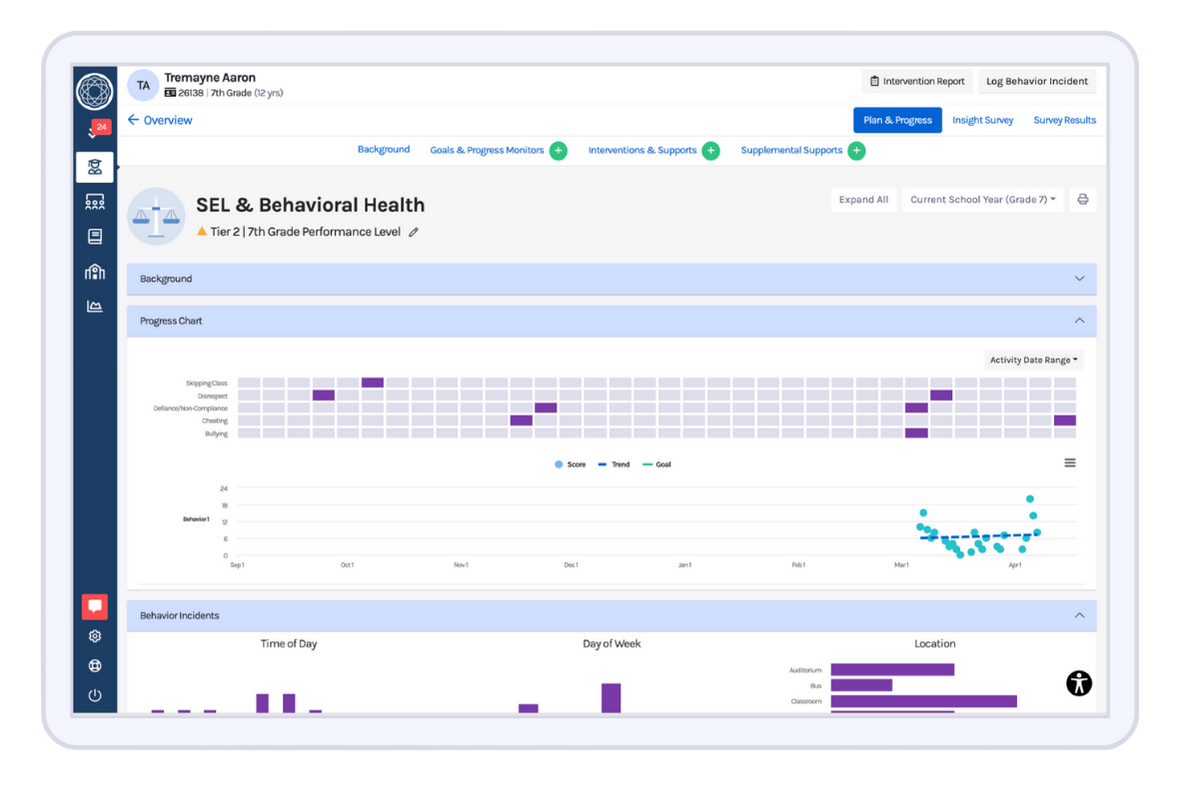
Behavior Interventions Are Easier to Manage With the Right MTSS Platform
See how districts organize interventions, monitor progress, document supports, and identify behavior trends in one place.

-1.png?width=716&height=522&name=Washingtons%20RTI%20Requirement%20for%20SLD%20Eligibility(preview)-1.png)
.png?width=716&height=522&name=How%20Illinois%20Districts%20Can%20Fund%20RTI%20MTSS%20Infrastructure%20(preview).png)
.png?width=716&height=522&name=Californias%20Budget%20Is%20Betting%20Big%20on%20MTSS%20and%20Community%20Schools%20%20(Preview).png)