



































.png?width=444&height=266&name=Student-support%20(1).png)




.png?width=318&height=279&name=Evanston(tile).png)



.png?width=318&height=279&name=Teams%20Edweb%20(6).png)

.png?width=318&height=279&name=Best_Small_Workplaces-2026(no-text).png)




.png?width=1436&height=956&name=Georgia%20Literacy%20(preview).png)
The Georgia Early Literacy and Dyslexia Act (House Bill 307) sets clear expectations for every district: screen students for dyslexia risk factors in the early grades, train teachers in the Science of Reading, and provide timely, structured intervention for students who struggle. The Georgia Department of Education's 2024–2025 Impact Report shows early momentum — 65% of third graders are reading at or above grade level — but it also signals that nearly 20% of K–3 students are already receiving targeted interventions, underscoring how much work remains.
The expectations are real, and so is the pressure. As a district leader, you are likely asking the harder question: How do I turn these requirements into consistent results across every school?
The answer often comes down to your infrastructure. A strong Multi-Tiered System of Supports (MTSS) gives you the framework to meet state expectations, coordinate your literacy work, and prove it's working.
Understanding What House Bill 307 Asks of Your District
The state is not treating literacy, dyslexia screening, and intervention as separate boxes to check. Georgia is asking districts to develop a connected strategy grounded in the Science of Reading.
Here is what that work involves:
- Universal screening to identify students at risk, including those with dyslexia risk factors, in the early grades.
- Evidence-based core instruction built on the five pillars of literacy: phonemic awareness, phonics, fluency, vocabulary, and comprehension.
- Targeted intervention for students who need additional support, monitored and adjusted over time.
- Teacher training and protocols so educators can recognize and respond to reading challenges.
For districts already doing this work, the initiative is reinforcement, not a reset. But with state expectations come accountability, and you will need to show how your systems connect and produce results.
Why Multi-Tiered System of Supports (MTSS) Is the Right Framework for Georgia's Literacy Goals
MTSS provides the infrastructure that brings Georgia's literacy goals to life. It pairs the proven practices of the Science of Reading with a collaborative, data-driven problem-solving model, replacing the outdated "wait to fail" approach.
A strong literacy plan operates across three tiers:
- Tier 1: High-quality, evidence-based instruction for all students, with universal screening to catch early challenges, including dyslexia risk factors.
- Tier 2: Targeted small-group support to address specific skill gaps, with frequent progress monitoring so teams can adjust quickly.
- Tier 3: Intensive, individualized intervention for students with the most persistent needs, often delivered through a structured literacy approach and monitored by a multidisciplinary team.
MTSS is also a natural home for dyslexia support, because it builds in the cyclical screening, intervention, and monitoring that students with reading difficulties need.
🔼Related Podcast: Writing Instruction: A Key Piece of Literacy
Listen along as we discuss practical strategies for strengthening writing instruction and how it supports reading achievement across grade levels.
Related Resource: Improving Literacy Through MTSS: A Guide for District and School Leaders explores how to align core instruction, intervention, and data to build a stronger literacy system across your district.
.png?width=2240&height=1260&name=Build%20Your%20Literacy%20Team%20(thumbnail).png)
🔼 Watch Building Your MTSS Literacy Plan for a practical walkthrough on how to align core instruction, choose effective interventions, and evaluate progress with confidence.
How Technology Can Help Your District Put Georgia's Literacy Goals Into Practice
Georgia's literacy initiative sets ambitious expectations for schools: strengthen core instruction, identify student needs early, provide targeted intervention, and monitor progress over time. The challenge is doing all of that consistently across schools while reducing the burden on educators. Because reading success is influenced by more than instruction alone, many districts are looking at technology solutions that bring attendance, behavior, and academic data together to identify barriers before they become larger problems.
The right technology can help districts:
- Bring screening, assessment, attendance, behavior, and literacy data into one place to provide a more complete picture of each student's needs.
- Group and plan efficiently: Create cohorts of students with shared needs and build targeted plans.
-
Create a Standard Treatment Protocol for reading instruction and intervention that matches evidence-based reading interventions to student needs.
- Monitor progress in real time: Track growth over time, and prompt your teams when a plan needs to change.
- Lead with cross-school visibility: Spot gaps in core instruction, analyze tier distribution, and direct resources where they matter most.
Technology doesn't replace strong literacy teaching practices, but it helps districts implement them consistently at scale. When educators spend less time searching for information and managing spreadsheets, they can spend more time delivering instruction and support.
Districts using Branching Minds to target reading intervention have seen meaningful gains, including outpacing state growth in K-3 literacy. That kind of evidence builds trust with your board and your community.
.png?width=1280&height=720&name=Reading%20Plans%20Now%20Created%20and%20Monitored%20in%20One%20Platform%20(Roanoke).png)
🔼 Success Story: How One District Outpaced State Growth in Literacy
Ready to Strengthen Your Literacy Plan Through MTSS?
Branching Minds helps district leaders bring together data, intervention planning, progress monitoring, and collaboration in one connected MTSS platform.
Start a conversation to see how your district can meet Georgia's literacy goals with Branching Minds.

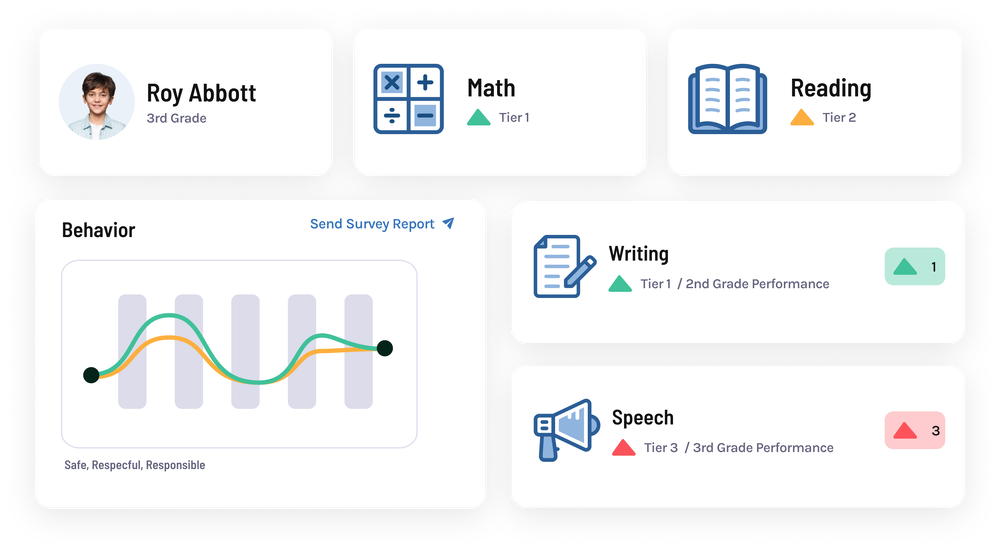
Reading Achievement Starts With a Strong MTSS Foundation
For each important aspect of early literacy growth in MTSS, Branching Minds makes the work more practical and sustainable.

.png?width=716&height=522&name=HB%20605%20and%20School%20Safety%20NC%20(preview).png)
.png?width=716&height=522&name=Understanding%20Literacy%20Basics%20(Preview).png)
.png?width=716&height=522&name=Reading%20Interventions%20(Preview).png)